Sport Injury

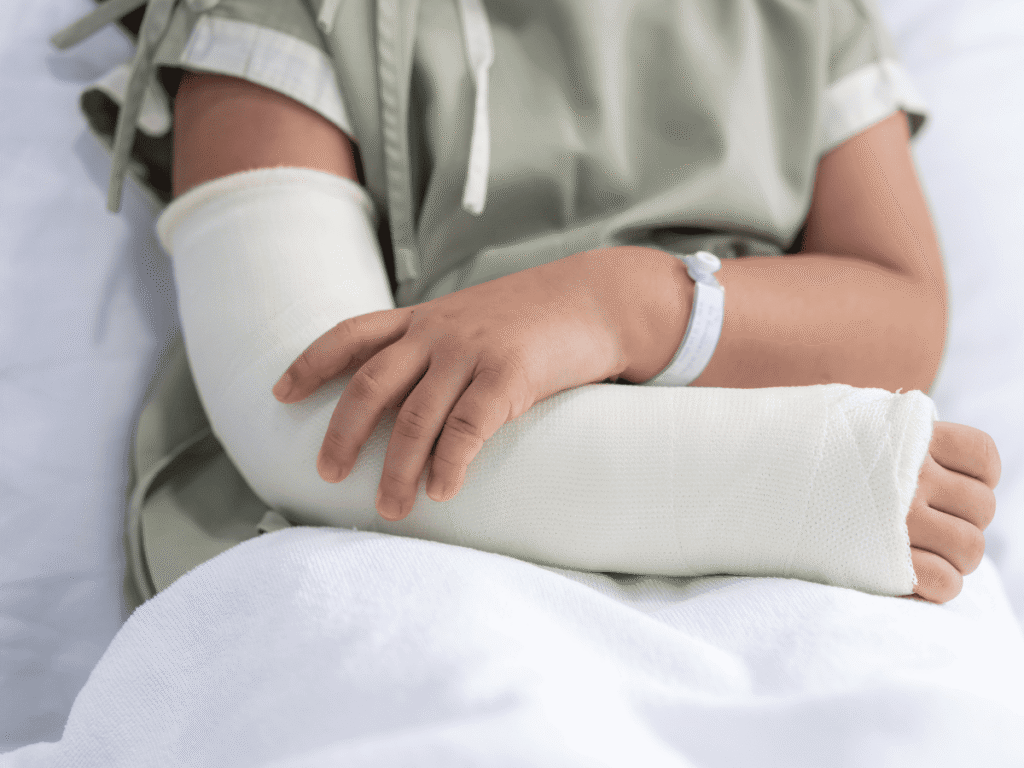
POBAR pediatric specialist showing a parent how to properly care for a child’s arm cast in Brandon.
Sport Injury

Caring for a Cast: Do’s, Don’ts, and Common Misconceptions

When your child needs a cast, it’s natural to feel concerned and unsure about how to care for it properly. Understanding cast care for children can help you protect healing bones while keeping your child comfortable and safe. At POBAR, we guide families through every step, offering reassurance, clear instructions, and support throughout the healing process. If you ever feel uncertain, reaching out to our team can provide the confidence and care your child deserves. Seeing your child in a cast can bring a mix of emotions—relief that the injury is being treated, but also worry about doing everything right at home. Whether it’s a broken arm from a fall or a leg injury from sports, proper cast care for children plays an essential role in healing. The good news is that with a few simple guidelines and a little extra attention, you can help your child stay comfortable while their body does the important work of recovery.   Why Cast Care Matters More Than You Think A cast does more than just protect an injured bone—it holds it in the correct position so it can heal properly. Even small disruptions, like moisture inside the cast or pressure from objects, can interfere with healing or cause skin irritation. Children, especially younger ones, may not always understand these risks, which is why gentle guidance and supervision are so important. We emphasize that cast care is not about perfection—it’s about consistency, awareness, and responding quickly when something doesn’t seem right. Parents don’t need to feel overwhelmed; with the right information, caring for a cast becomes a manageable part of your daily routine.   The Do’s of Cast Care Taking a proactive approach can make your child’s recovery smoother and more comfortable. Here are some essential practices to follow: Keep the cast clean and dry: Moisture can weaken the cast material and irritate the skin underneath. When bathing, protect the cast with a waterproof cover or plastic wrap sealed securely. Even small amounts of water can lead to discomfort or odor over time. Elevate the injured limb: Especially in the first few days, elevating the arm or leg helps reduce swelling and discomfort. Using pillows to support the limb while resting or sleeping can make a noticeable difference. Check the skin around the cast daily: Look for redness, swelling, or irritation near the edges of the cast. Catching small issues early helps prevent more serious problems. Encourage gentle movement of nearby joints: If allowed by your provider, moving fingers or toes helps maintain circulation and prevent stiffness. This also reassures children that their bodies are still functioning normally. Follow activity restrictions carefully: While it’s tempting for kids to return to play quickly, limiting certain activities protects the healing bone and prevents reinjury. These small, consistent actions create a supportive environment for healing and help your child feel more at ease.   The Don’ts Parents Should Watch For Equally important are the things to avoid. Many complications come from well-meaning attempts to relieve discomfort: Don’t insert objects into the cast: Itching is common, but placing pencils, hangers, or fingers inside the cast can cause cuts or infections. Instead, try gently tapping the cast or using a cool air setting from a hairdryer to relieve itching. Don’t get the cast wet: Even “water-resistant” casts can be affected by prolonged moisture. Wet padding can lead to skin breakdown and unpleasant odors. Don’t ignore complaints of tightness or pain: Increased pain, numbness, or tingling may indicate swelling or circulation issues. These symptoms should be evaluated promptly. Don’t modify the cast yourself: Trimming, loosening, or adjusting the cast at home can compromise its effectiveness. Always consult a specialist if something doesn’t feel right. Don’t allow rough play or risky activities: Jumping, climbing, or contact sports can damage the cast or worsen the injury. Helping children understand these boundaries in a calm, supportive way makes them more likely to cooperate and feel involved in their healing process.   Common Misconceptions About Cast Care Many parents hear conflicting advice when it comes to caring for a cast. Let’s gently clear up a few common misunderstandings: “If it doesn’t hurt, everything is fine.” Not always. Some complications, like skin irritation or pressure sores, may develop without immediate pain. Regular checks are still important. “It’s okay to remove the cast early if my child feels better.” Healing bones need time and stability. Removing a cast too soon can lead to improper healing or reinjury. “Scratching the itch will help.” While it may provide temporary relief, scratching can damage the skin and introduce bacteria. Safer alternatives should always be used. “Kids will naturally slow down while in a cast.” Many children still want to play and explore. Gentle reminders and supervision are needed to keep them safe. Understanding these misconceptions helps parents make confident, informed decisions during recovery.   Helping Your Child Stay Comfortable Comfort plays a big role in how well children cope with wearing a cast. While it may feel restrictive at first, there are ways to make the experience easier: Dress in loose, comfortable clothing: This prevents friction around the cast and makes dressing simpler. Use pillows for support: Positioning the casted limb comfortably can reduce strain and improve sleep. Create calm routines: Bedtime routines, quiet play, and familiar activities can help your child feel secure. Offer reassurance: Children may feel frustrated or worried about their limitations. Gentle encouragement helps them feel supported. At POBAR, we believe emotional comfort is just as important as physical healing. When children feel safe and understood, they adapt more easily to temporary changes.   When to Call a Specialist Even with excellent care, questions and concerns can arise. It’s always better to check in than to wait and worry. Contact a provider if you notice: Increased swelling, severe pain, or a feeling of tightness in the cast Numbness, tingling, or changes in skin color Foul odors or drainage from inside the cast Cracks, soft spots, or damage to the cast Fever or signs

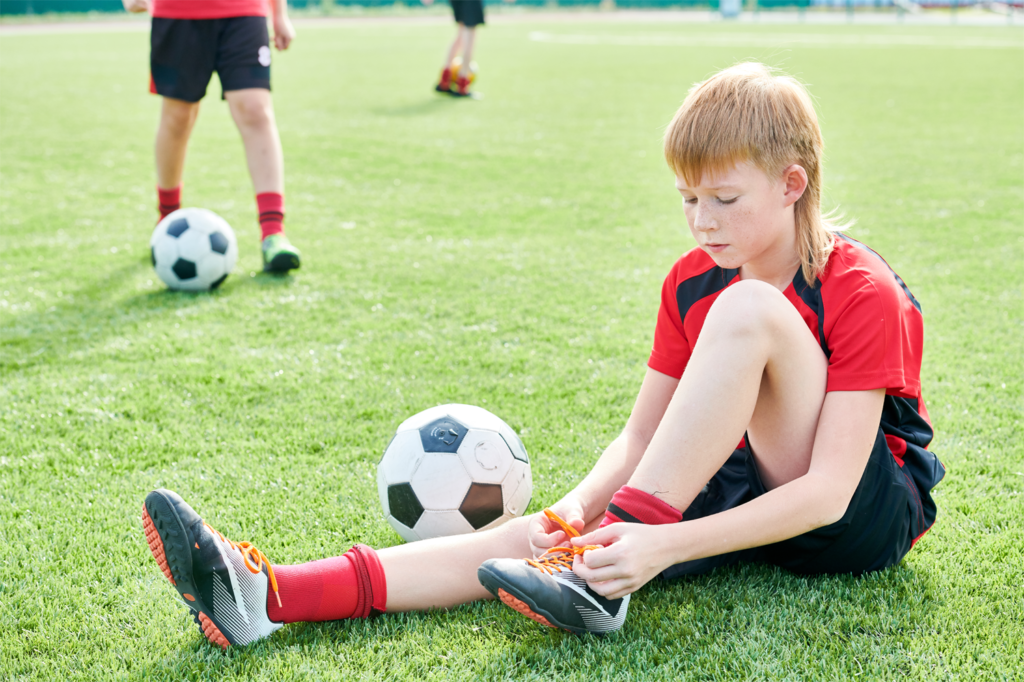
POBAR pediatric specialist demonstrating safe sports exercises with a child athlete to prevent injuries in Brandon.
Sport Injury

Sports Safety 101: Reducing Injury Risk in Young Athletes

Helping children stay active safely is a top priority for parents and caregivers. POBAR provides expert guidance on sports injury prevention in children, including proper training, protective gear, and conditioning strategies. With a focus on education, early recognition, and strength building, young athletes can enjoy sports confidently while minimizing risks. Contact our team for personalized guidance to keep your child safe, strong, and thriving in every game and practice. Youth sports are an exciting part of growing up, but they also come with the potential for injuries. From soccer and basketball to gymnastics and swimming, children and teens are putting their bodies to the test every day. Understanding sports injury prevention in children is crucial to keeping your child safe while encouraging healthy activity. By combining proper preparation, supervision, and education, families can minimize risks and promote long-term athletic development.   Common Sports Injuries in Young Athletes Children are susceptible to a range of injuries depending on their age, sport, and activity level. Some of the most common include: Sprains and strains: These occur when ligaments (sprains) or muscles/tendons (strains) are overstretched or torn. Children often experience sprains in the ankles during running or jumping sports and strains in the hamstrings or quadriceps from sudden bursts of activity. Early recognition, rest, and targeted strengthening exercises are key to preventing recurrence. Fractures: Broken bones can result from falls, collisions, or direct impacts. Children’s bones are still developing, so timely evaluation is essential. Our pediatric orthopaedic specialists can ensure proper alignment and healing, minimizing long-term effects. Overuse injuries: Activities that involve repetitive motions, such as pitching in baseball, swimming strokes, or long-distance running, can cause stress fractures or tendonitis. Monitoring training volume and incorporating rest periods helps reduce the risk. Concussions: Head injuries are a serious concern, particularly in contact sports like football, soccer, or hockey. Recognizing early signs such as dizziness, headache, or confusion is critical for safety, and athletes must be cleared by a medical professional before returning to play. Dislocations: Kneecap or shoulder dislocations often result from twisting motions or falls. These injuries require prompt evaluation and rehabilitation to restore stability and prevent chronic issues. Recognizing early warning signs and addressing minor injuries promptly can prevent them from becoming chronic problems.   Risk Factors for Sports Injuries Understanding what increases injury risk allows families and coaches to take proactive steps. Factors include: Rapid growth: Children may experience “growth spurts,” where bones lengthen faster than muscles and tendons can adapt. This imbalance can create tightness and vulnerability in joints, increasing the risk of strains and ligament injuries. Stretching, flexibility exercises, and proper warm-ups can help offset these effects. Poor conditioning: Weak muscles or underdeveloped core strength reduce joint support, making children more prone to sprains and overuse injuries. A well-rounded conditioning program targeting the legs, hips, and core helps stabilize joints and supports proper biomechanics. Inadequate warm-up: Jumping straight into drills or games without dynamic warm-up increases the likelihood of strains and sprains. Warm-ups improve blood flow to muscles, enhance joint mobility, and prepare the nervous system for coordination. Simple exercises such as leg swings, jogging in place, or arm circles can make a big difference. Improper technique: Incorrect movement patterns in running, jumping, or throwing place extra stress on joints and tendons. Coaching proper form, reinforcing fundamentals, and using age-appropriate equipment are essential for safe skill development. High training volume: Excessive practice or competition without adequate rest can lead to overuse injuries. Rotating sports, scheduling rest days, and monitoring intensity help children build endurance without overtaxing growing muscles. Previous injuries: Past injuries increase susceptibility to reinjury due to lingering weakness or instability. Targeted rehabilitation and preventive exercises strengthen vulnerable areas and reduce recurrence risk. POBAR emphasizes individualized assessment to identify and address these risk factors before injuries occur.\   Strategies for Injury Prevention Preventing injuries involves a combination of preparation, education, and monitoring: Strength and conditioning: Focus on building strength in the core, legs, and hip muscles to improve balance, coordination, and joint protection. Stronger muscles act as natural stabilizers, reducing the likelihood of sprains and strains during sudden movements. Exercises such as squats, lunges, and planks, tailored to age and ability, can make a measurable difference. Proper warm-up and cooldown: Dynamic stretching before activity prepares muscles and joints for exertion, while static stretching after activity helps maintain flexibility and reduce soreness. Cooldowns also assist in regulating heart rate and preventing muscle tightness that can lead to injury. Safe technique and form: Coaches and specialists should focus on teaching proper movement patterns for running, jumping, cutting, and throwing. Repetition under supervision ensures that these skills become habitual and reduces stress on vulnerable joints like knees and shoulders. Protective gear: Helmets, knee pads, shin guards, and braces protect against acute injuries. Properly fitting gear designed for the child’s sport reduces the severity of impacts and supports joints during play. Our team can guide families in selecting the right protective equipment for each athlete. Balanced training schedules: Rotating sports, scheduling rest periods, and avoiding early specialization allow children to develop a range of motor skills without overloading specific muscle groups. A balance of activity and recovery supports long-term athletic growth. Hydration and nutrition: Adequate water and balanced meals fuel muscles and aid recovery. Proper nutrition supports bone health, energy levels, and muscle repair, all of which contribute to reduced injury risk. Implementing these strategies consistently empowers children to play confidently while reducing injury risks.   Recovery and Rehabilitation for Young Athletes Even with prevention, injuries can occur. How a child recovers plays a critical role in long-term health: Immediate care: Rest, ice, compression, and elevation (RICE) help reduce swelling and pain following an acute injury. Prompt attention reduces complications and speeds recovery. Gradual return to activity: Once pain and swelling subside, gradual reintroduction of activity under supervision helps restore strength and confidence. Overrushing can lead to reinjury. Physical therapy: Targeted rehabilitation exercises rebuild strength, improve range of motion, and retrain movement patterns. This approach is especially important after sprains, fractures,