
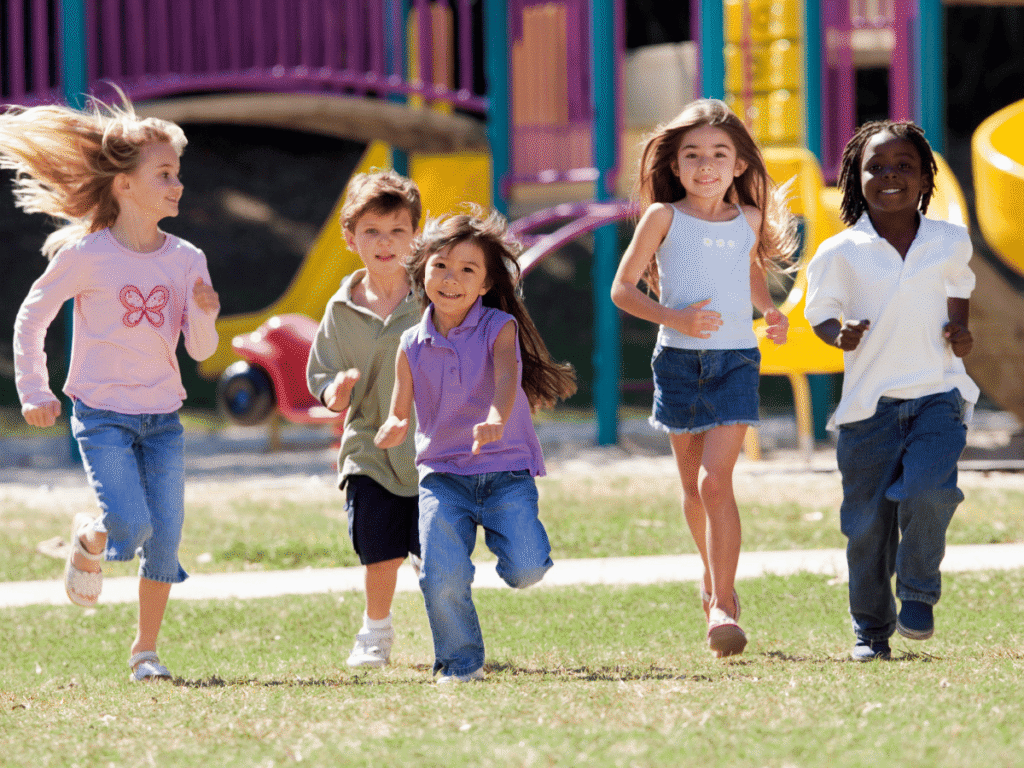
Helping children stay active safely is a top priority for parents and caregivers. POBAR provides expert guidance on sports injury prevention in children, including proper training, protective gear, and conditioning strategies. With a focus on education, early recognition, and strength building, young athletes can enjoy sports confidently while minimizing risks. Contact our team for personalized guidance to keep your child safe, strong, and thriving in every game and practice.
Youth sports are an exciting part of growing up, but they also come with the potential for injuries. From soccer and basketball to gymnastics and swimming, children and teens are putting their bodies to the test every day. Understanding sports injury prevention in children is crucial to keeping your child safe while encouraging healthy activity. By combining proper preparation, supervision, and education, families can minimize risks and promote long-term athletic development.
Common Sports Injuries in Young Athletes
Children are susceptible to a range of injuries depending on their age, sport, and activity level. Some of the most common include:
- Sprains and strains: These occur when ligaments (sprains) or muscles/tendons (strains) are overstretched or torn. Children often experience sprains in the ankles during running or jumping sports and strains in the hamstrings or quadriceps from sudden bursts of activity. Early recognition, rest, and targeted strengthening exercises are key to preventing recurrence.
- Fractures: Broken bones can result from falls, collisions, or direct impacts. Children’s bones are still developing, so timely evaluation is essential. Our pediatric orthopaedic specialists can ensure proper alignment and healing, minimizing long-term effects.
- Overuse injuries: Activities that involve repetitive motions, such as pitching in baseball, swimming strokes, or long-distance running, can cause stress fractures or tendonitis. Monitoring training volume and incorporating rest periods helps reduce the risk.
- Concussions: Head injuries are a serious concern, particularly in contact sports like football, soccer, or hockey. Recognizing early signs such as dizziness, headache, or confusion is critical for safety, and athletes must be cleared by a medical professional before returning to play.
- Dislocations: Kneecap or shoulder dislocations often result from twisting motions or falls. These injuries require prompt evaluation and rehabilitation to restore stability and prevent chronic issues.
Recognizing early warning signs and addressing minor injuries promptly can prevent them from becoming chronic problems.
Risk Factors for Sports Injuries
Understanding what increases injury risk allows families and coaches to take proactive steps. Factors include:
- Rapid growth: Children may experience “growth spurts,” where bones lengthen faster than muscles and tendons can adapt. This imbalance can create tightness and vulnerability in joints, increasing the risk of strains and ligament injuries. Stretching, flexibility exercises, and proper warm-ups can help offset these effects.
- Poor conditioning: Weak muscles or underdeveloped core strength reduce joint support, making children more prone to sprains and overuse injuries. A well-rounded conditioning program targeting the legs, hips, and core helps stabilize joints and supports proper biomechanics.
- Inadequate warm-up: Jumping straight into drills or games without dynamic warm-up increases the likelihood of strains and sprains. Warm-ups improve blood flow to muscles, enhance joint mobility, and prepare the nervous system for coordination. Simple exercises such as leg swings, jogging in place, or arm circles can make a big difference.
- Improper technique: Incorrect movement patterns in running, jumping, or throwing place extra stress on joints and tendons. Coaching proper form, reinforcing fundamentals, and using age-appropriate equipment are essential for safe skill development.
- High training volume: Excessive practice or competition without adequate rest can lead to overuse injuries. Rotating sports, scheduling rest days, and monitoring intensity help children build endurance without overtaxing growing muscles.
- Previous injuries: Past injuries increase susceptibility to reinjury due to lingering weakness or instability. Targeted rehabilitation and preventive exercises strengthen vulnerable areas and reduce recurrence risk.
POBAR emphasizes individualized assessment to identify and address these risk factors before injuries occur.\
Strategies for Injury Prevention
Preventing injuries involves a combination of preparation, education, and monitoring:
- Strength and conditioning: Focus on building strength in the core, legs, and hip muscles to improve balance, coordination, and joint protection. Stronger muscles act as natural stabilizers, reducing the likelihood of sprains and strains during sudden movements. Exercises such as squats, lunges, and planks, tailored to age and ability, can make a measurable difference.
- Proper warm-up and cooldown: Dynamic stretching before activity prepares muscles and joints for exertion, while static stretching after activity helps maintain flexibility and reduce soreness. Cooldowns also assist in regulating heart rate and preventing muscle tightness that can lead to injury.
- Safe technique and form: Coaches and specialists should focus on teaching proper movement patterns for running, jumping, cutting, and throwing. Repetition under supervision ensures that these skills become habitual and reduces stress on vulnerable joints like knees and shoulders.
- Protective gear: Helmets, knee pads, shin guards, and braces protect against acute injuries. Properly fitting gear designed for the child’s sport reduces the severity of impacts and supports joints during play. Our team can guide families in selecting the right protective equipment for each athlete.
- Balanced training schedules: Rotating sports, scheduling rest periods, and avoiding early specialization allow children to develop a range of motor skills without overloading specific muscle groups. A balance of activity and recovery supports long-term athletic growth.
- Hydration and nutrition: Adequate water and balanced meals fuel muscles and aid recovery. Proper nutrition supports bone health, energy levels, and muscle repair, all of which contribute to reduced injury risk.
Implementing these strategies consistently empowers children to play confidently while reducing injury risks.
Recovery and Rehabilitation for Young Athletes
Even with prevention, injuries can occur. How a child recovers plays a critical role in long-term health:
- Immediate care: Rest, ice, compression, and elevation (RICE) help reduce swelling and pain following an acute injury. Prompt attention reduces complications and speeds recovery.
- Gradual return to activity: Once pain and swelling subside, gradual reintroduction of activity under supervision helps restore strength and confidence. Overrushing can lead to reinjury.
- Physical therapy: Targeted rehabilitation exercises rebuild strength, improve range of motion, and retrain movement patterns. This approach is especially important after sprains, fractures, or dislocations.
- Monitoring progress: Regular check-ins with our specialists ensure the child regains full function safely. Adjusting activity based on feedback prevents setbacks and promotes optimal recovery.
- Emotional support: Recovering from injury can be frustrating for young athletes. Encouragement, reassurance, and setting achievable goals help maintain motivation and confidence.
By combining physical and emotional care, recovery becomes an opportunity to reinforce healthy habits, resilience, and body awareness.
Building Resilient Young Athletes
Promoting safe sports participation isn’t only about avoiding injuries; it’s about fostering confidence and resilience. We encourage children to listen to their bodies, communicate openly about discomfort, and develop habits that support lifelong physical activity. Parents and coaches play a vital role in modeling safety, reinforcing rest, and encouraging recovery after hard practice or competition. With consistent guidance, young athletes can enjoy sports while cultivating strength, endurance, and healthy routines.
Keeping Young Athletes Safe at POBAR
At POBAR, we specialize in sports injury prevention in children, combining expert evaluation, individualized conditioning programs, and child-friendly guidance. Our goal is to empower families with knowledge and practical strategies to keep kids safe while supporting their athletic passions. From strengthening exercises to protective gear education, we ensure your child can play confidently and recover quickly from minor injuries. Schedule a consultation today to learn how to protect your young athlete and foster a lifetime of safe, joyful movement.
Frequently Asked Questions
What sports injuries are most common in children?
Sprains, strains, fractures, overuse injuries, concussions, and dislocations are among the most frequent injuries in young athletes.
Can proper warm-up and stretching prevent injuries?
Yes, warming up before activity and stretching afterward reduces muscle strain and joint stress.
How can I tell if my child’s pain is serious?
Persistent pain, swelling, limping, or reduced range of motion should prompt evaluation by a pediatric specialist.
Should children specialize in one sport early?
Early specialization can increase overuse injury risk; cross-training and balanced activity schedules are safer.
What role does strength training play in injury prevention?
Targeted strength and conditioning improve joint stability, muscle balance, and overall resilience against injuries.
