Author name: seo@clinicgrower.com

Pediatric specialist from POBAR helping a child with exercises to prevent patellar dislocation in Brandon & Riverview.
Healthy Kids

Strong Knees, Happy Kids: Overcoming Patellar Dislocation Together

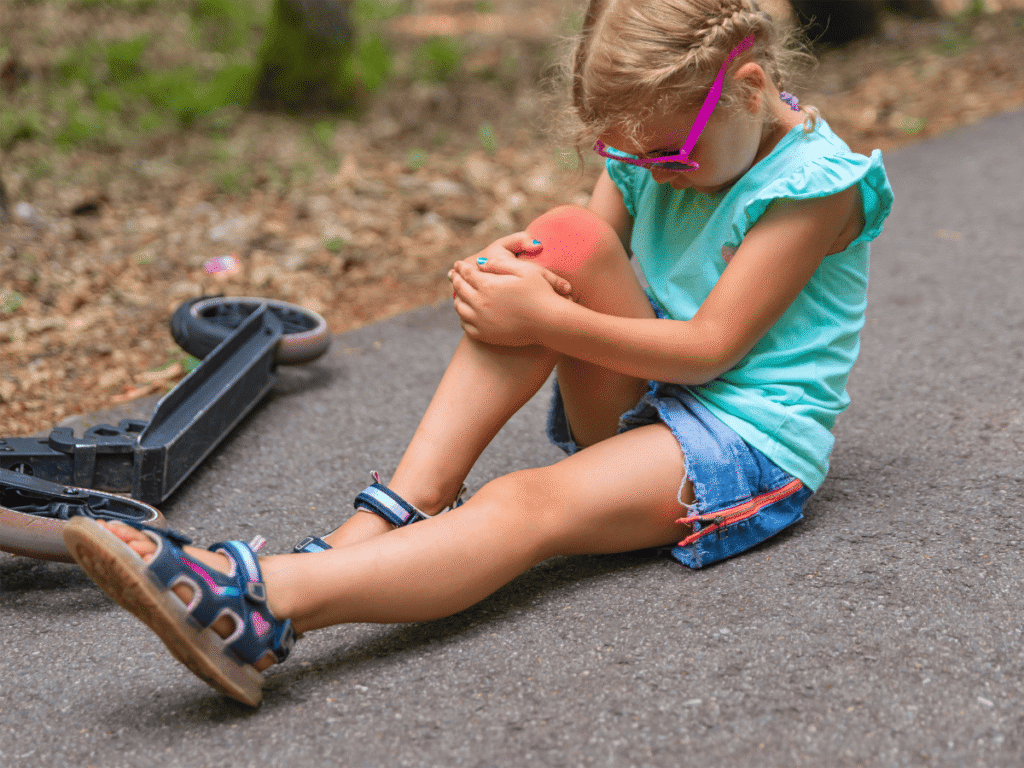
Patellar dislocation in children can be painful and frightening, but early recognition and proper care make recovery and prevention possible. POBAR specializes in educating families about the causes, symptoms, and treatments for patellar dislocation, helping children regain strength and confidence. From targeted exercises to protective strategies, the team provides individualized care to support healthy knee development. Reach out to our team for guidance on preventing injury and keeping your child active and safe. Children and teens who are active in sports or adventurous play are at risk for knee injuries, including patellar dislocation in children. While a sudden twist or fall may cause the kneecap to slip out of place, understanding what triggers this injury and how to respond can make all the difference. Awareness and timely action not only relieve pain but also reduce the likelihood of recurrence. Parents and caregivers who know the signs, treatment options, and preventive strategies can support their child’s return to play safely and confidently.   Understanding Patellar Dislocation in Kids A patellar dislocation occurs when the kneecap (patella) slips out of its groove at the end of the thigh bone (trochlear groove). This sudden displacement often results in intense pain, swelling, and a sense of instability. While traumatic injury is a common cause, anatomical factors such as shallow grooves, misaligned knees, or ligament laxity can make some children more susceptible. Our team emphasizes early evaluation and patient education to help families navigate this condition effectively and reduce long-term knee problems.   Causes and Risk Factors Patellar dislocation isn’t just about accidents; several factors can contribute: Traumatic injury: Direct blows or forceful twisting of the knee can dislocate the patella. Anatomical differences: Shallow or asymmetrical trochlear grooves, abnormal patellar shape, or ligament laxity can predispose a child to instability. Muscle weakness: Weak quadriceps or hip abductor muscles can affect patellar tracking. Sports participation: High-impact sports like soccer, basketball, or volleyball increase the risk. Previous dislocations: Once a child has experienced a patellar dislocation, recurrence risk is higher. Genetic and gender factors: Some inherited traits and female anatomical differences may increase susceptibility. By understanding these causes, parents can work with pediatric specialists at POBAR to implement preventive measures and monitor at-risk children more closely.   Recognizing the Symptoms Patellar dislocation often comes with clear signs that should not be ignored. Symptoms may include: Sudden severe knee pain and swelling following an injury or twist. Visible displacement of the kneecap, often laterally (toward the outside). Inability to straighten or bear weight on the affected leg. Audible popping or snapping at the moment of injury. Reduced range of motion, with difficulty bending or straightening the knee. A feeling of “giving way” or instability during movement. Even if a child is eager to continue playing, persistent instability or discomfort is a red flag that requires prompt evaluation by a specialist.   How Patellar Dislocation is Evaluated Our pediatric team takes a careful, child-friendly approach to assessment: Physical exam: Clinicians assess knee alignment, movement, and patellar tracking. Imaging: X-rays or advanced imaging confirm the patella’s position and identify any structural concerns. Functional assessment: Observation of gait, balance, and knee motion helps guide treatment decisions. Early evaluation not only addresses the immediate dislocation but also informs strategies to prevent recurrence and support overall knee health.   Treatment Approaches Management depends on the severity of the dislocation, any associated injuries, and the child’s growth stage: Immediate care: Often includes gentle reduction by a trained provider, rest, ice, compression, and elevation to relieve pain and swelling. Physical therapy: Targeted exercises strengthen quadriceps, hamstrings, and hip muscles to improve patellar stability. Bracing: In some cases, a patellar stabilizer or knee brace provides external support during activities. Surgical options: Reserved for recurrent or severe cases, surgery realigns the patella and stabilizes ligaments under careful pediatric supervision. Our individualized plans ensure children receive appropriate care while minimizing disruption to their daily activities.   Preventing Future Dislocations Strengthening and education are key to preventing repeat injuries. Parents can support their children with strategies such as: Quadriceps and hip strengthening exercises: Enhance stability around the knee joint. Balance and proprioception training: Improves coordination and reduces risk during dynamic activities. Safe sports practices: Emphasize proper landing techniques, gradual intensity increases, and protective gear. Early attention to symptoms: Prompt evaluation for pain, swelling, or instability helps prevent chronic problems. By integrating these habits into training and daily routines, children can enjoy sports and active play safely.   Helping Kids Stay Active and Confident Beyond physical recovery, patellar dislocation can affect a child’s confidence and willingness to participate in sports. We focus on the whole child—providing reassurance, education, and tailored exercises that encourage safe movement. Children learn not just how to strengthen their knees, but also how to trust their bodies and maintain active, happy lifestyles.   Strong Knees Start at POBAR If your child has experienced a patellar dislocation or you want to proactively prevent knee injuries, the POBAR team is here to help. Our pediatric specialists combine expert evaluation, personalized treatment, and compassionate guidance to keep kids moving safely. From strengthening programs to bracing and ongoing education, we provide the support families need to build strong knees and happy, active children. Contact us today to learn more about protecting your child’s knees and enhancing their confidence in every step.   Frequently Asked Questions How can I tell if my child has a patellar dislocation? Look for sudden knee pain, swelling, or visible displacement of the kneecap after a twist or fall. Difficulty bearing weight or bending the knee may also indicate dislocation. Can patellar dislocations happen more than once? Yes, children who have had one dislocation are at higher risk for recurrence, especially if underlying anatomical or muscular factors are present. What activities increase the risk of patellar dislocation? High-impact and pivot-heavy sports like basketball, soccer, and volleyball can increase risk. Proper conditioning and preventive exercises can reduce this risk. Is surgery always required for patellar dislocation? No, many children recover with non-surgical treatments like physical therapy

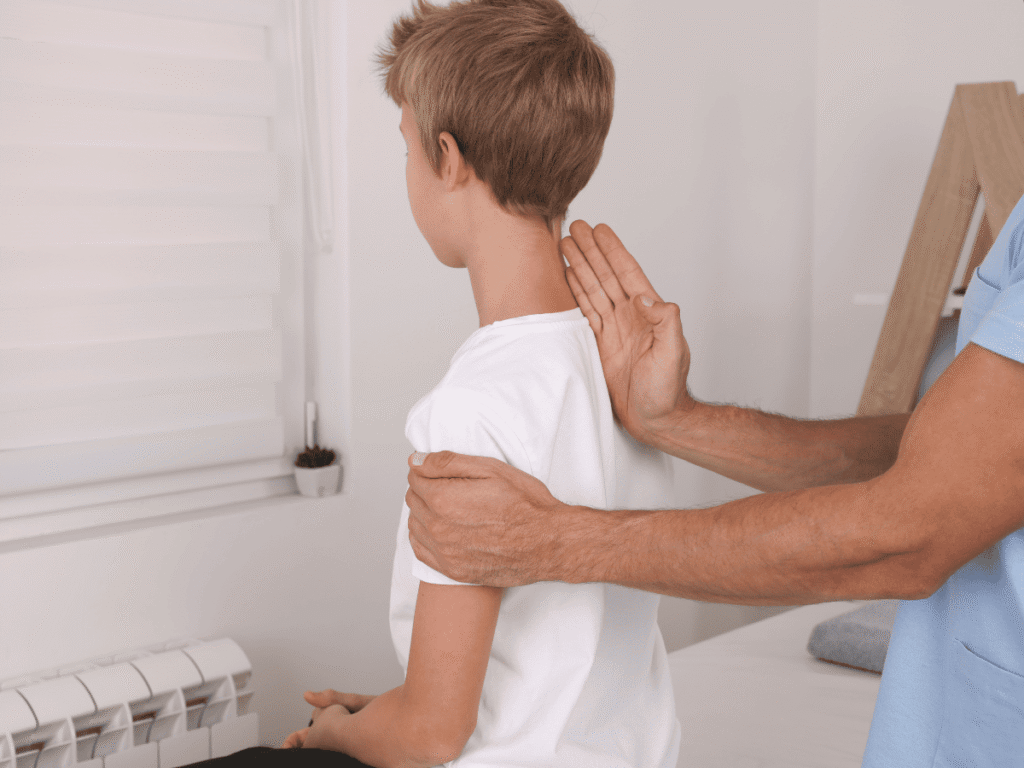
A caring pediatric specialist from POBAR observing a child’s posture to spot scoliosis early in Brandon & Riverview.
Scoliosis

Is It Just Posture? How to Spot Scoliosis Early in Children

Spotting scoliosis signs in children early can make a huge difference in how effectively it’s managed and treated. From uneven shoulders to subtle waist asymmetry, understanding what to look for gives parents confidence and peace of mind. At POBAR, our compassionate pediatric team supports families through early detection, personalized care, and advanced scoliosis treatments designed for growing bodies. If you have concerns about your child’s posture or spinal development, don’t hesitate to seek evaluation and support. From a parent’s perspective, noticing “just posture” concerns can feel confusing—especially during the rapid growth of childhood. But understanding scoliosis signs in children helps you distinguish normal variation from something that needs medical attention. Scoliosis, a side‑to‑side curvature of the spine, often begins subtly and without pain, so knowing what to look for is important for early detection and care. Families who learn the early indicators can seek help sooner, and that can broaden treatment options and lead to better outcomes.   Why Early Awareness Matters Scoliosis sometimes starts so quietly that even attentive parents can miss the first changes. Most childhood scoliosis cases occur during growth spurts in the pre‑teen and early teen years, when the spine can curve more rapidly. Recognizing early signs empowers you to pursue evaluation before a curve progresses, which can mean less invasive treatment and improved long‑term health. Our specialists emphasize comprehensive assessments to catch changes early and support your child’s spinal development with care and precision.   Common Signs of Scoliosis in Children Children with scoliosis signs in children may not complain of pain at first, which is why visual clues are vital. Many of the earliest indicators are physical and can be noticed during everyday activities or simply when your child is standing or bending over.   Visible Clues to Watch For When observing your child’s posture and symmetry, keep an eye out for: Uneven shoulders or shoulder blades: One shoulder may appear higher or more prominent than the other, especially when standing straight or bending forward. Asymmetrical waist or hips: A waistline that looks uneven or hips that appear tilted can signal a spinal curve. Rib prominence: When your child bends forward with arms down, one side of the rib cage may stick out more than the other due to the twist in the spine. Clothes not hanging evenly: Shirts or pants that seem lopsided can mirror underlying asymmetry. Subtle signs may also include leaning to one side without any underlying injury and adjustments in how your child walks or stands to feel more balanced. Each of these signs on its own doesn’t prove scoliosis, but when you see more than one—especially consistently—it’s worth further evaluation.   How Parents Can Observe Scoliosis at Home While a formal diagnosis always requires a clinical exam and imaging, parents can begin with simple observations: Use the forward bend test: Have your child stand with feet together and bend forward at the waist, palms together. Any asymmetry in the ribs, shoulders, or back shape may be more noticeable in this position. Take casual photos over time: Looking at your child’s back in photos from different months can help spot gradual changes you might miss in day‑to‑day life. Check during routine dressing: Pay attention when your child dresses. If clothing frequently seems uneven, it could be a clue to deeper alignment issues. These home observations aren’t a substitute for professional screening, but they can help you feel confident about when to reach out to a pediatric orthopedic specialist for further evaluation.   What Happens During a Professional Evaluation If you notice potential scoliosis signs, a specialist such as those at POBAR will perform a compassionate, child‑friendly examination tailored to your child’s comfort. Typical steps include: Detailed physical exam: The clinician will look at shoulder height, hip symmetry, and spinal alignment, often using the forward bend test. Imaging studies: If signs suggest scoliosis, an X‑ray captures the spine’s shape from multiple angles to measure the curve’s degree precisely. Discussion of symptoms: Even though many children don’t report pain, clinicians ask gentle questions about any discomfort, fatigue, or changes in posture over time. Early evaluation sets the stage for thoughtful planning with your child’s growth and well‑being in mind.   Treatment Options and What They Mean Once scoliosis is diagnosed, the care path depends on the degree of curvature and how much growth your child has left. We tailor plans with warmth and evidence‑based care. Observation: For mild curves that aren’t progressing quickly, regular check‑ups help track any changes over time. Bracing: When a curve is moderate and the child is still growing, a custom brace can help slow or prevent progression. Surgical consultation: In rare cases of severe curvature, surgical options may be recommended, and we provide thoughtful referral support for surgical planning. Families often wonder what treatment will “look like” day‑to‑day. Bracing, for example, becomes part of the child’s routine, and specialists help with fitting and adjustment so your child can stay as active and comfortable as possible.   Supporting Your Child Through Care and Growth Addressing scoliosis goes beyond bones and curves; it touches confidence, activity, and emotional well‑being. Our approach reflects this understanding, combining clinical expertise with empathy and reassurance. Children do best when they feel understood, encouraged, and engaged in their care, and that’s a central part of our philosophy.   Your Child’s Well‑Being Matters at POBAR If you’ve noticed potential scoliosis signs in your child and want support you can trust, the caring team at POBAR is here to help. We understand the questions and worries that come with noticing posture changes, and our specialists provide thorough evaluations, individualized care plans, and family‑centered guidance. Reach out to learn more about how we can help your child grow strong and confident with personalized scoliosis care.   Frequently Asked Questions How soon should I be concerned about my child’s posture? Posture differences can be normal, especially during growth, but if you consistently notice uneven shoulders, hips, or waist asymmetry, it’s worth discussing with a pediatric specialist. Early