Author name: support@clinicgrower.com

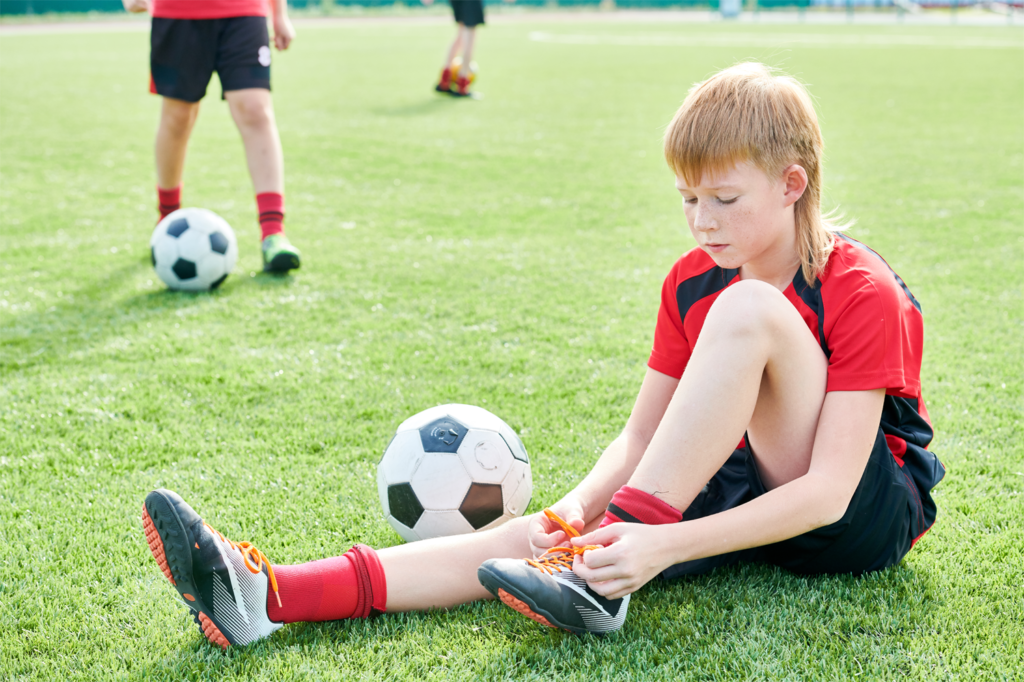
POBAR pediatric specialist in Brandon guiding a young athlete and parent through the steps for safely returning to sports after a fracture.
Sport Injury

Returning to Sports After a Fracture: A Parent’s Guide

Watching your child count down the days until their cast comes off is one of the more hopeful moments in a fracture recovery, and that excitement is completely understandable. What many families do not realize, though, is that cast removal is the beginning of the return to sports process, not the end of it. At POBAR, we guide families in Tampa through this transition every day, helping parents understand what their child’s body actually needs before heading back to practice. Knowing the difference between a healed cast and a truly ready athlete can protect your child from the kind of setback that takes far longer to recover from than the original injury. The weeks after a fracture can feel long, especially for a child who loves to move. When the cast finally comes off, the relief is real, and the urge to jump straight back into activity is completely natural. But bones, muscles, and joints all need more time than most families expect, and understanding why helps make the transition back to sport smoother and safer for everyone. What Is Actually Happening Inside the Bone Bone healing does not happen all at once. It moves through distinct phases, and each one plays a role in preparing the bone to handle the forces of sport again. In the first week or two after the fracture, the body responds with inflammation, bringing cells and blood flow to the injury site. This is normal and necessary. Over the next several weeks, the bone begins to form what is called a callus, a bridge of new tissue that gradually hardens as it matures. By six weeks, that callus is solid enough to look healed on an X-ray, but it is still continuing to strengthen and remodel, sometimes for months depending on the bone involved and the child’s age. A bone that looks healed in imaging is not always a bone that is ready for a slide tackle, a gymnastics vault, or a full sprint. Why Cast Removal Is Not the Finish Line This is the part that surprises most parents, and it is worth saying clearly. Taking the cast off does not mean the bone is done healing, and it definitely does not mean the body is ready for sport. During the time spent in a cast, several things happen beyond bone repair. The muscles around the injury weaken significantly from not being used. The joints stiffen. The body’s ability to sense position and balance, known as proprioception, diminishes. These changes happen quietly and children may not feel them right away. The result is that a child whose cast just came off is actually at one of the higher points of risk for reinjury, precisely because the bone feels better but the surrounding support systems have not yet recovered. At POBAR, parents are always advised that the conversation about returning to sport starts at cast removal, not before. How the Return to Sport Process Actually Works Safe return to sport after a fracture is gradual by design, not by caution alone. The body needs to rebuild in a specific sequence, with each stage confirming that the previous one has been mastered before moving forward. A general progression looks something like this: Beginning with normal daily activities and light walking Moving to jogging once that is comfortable and pain free Progressing to running, then jumping and cutting movements Reintroducing drills and skills specific to the sport Practicing without contact before returning to full play Each of these steps requires that the previous one produced no pain, no swelling, and no sign of compensating with other parts of the body. Rushing through them is one of the most common reasons children end up back in the office with a new injury before the first one has fully resolved. Signs Your Child May Not Be Ready Children are often eager to get back to their team, and they do not always report discomfort accurately, either because they are pushing through it or because they genuinely want to be ready. Parents who watch carefully during this transition can catch warning signs that their child needs more time. Things to watch for when activity resumes: Limping or favoring the previously injured side Guarding the area or moving differently than before the injury Fatigue that arrives much faster than it used to Complaints of pain during or after activity, even mild ones Hesitation or loss of confidence in movements that used to feel natural Any of these signals deserves a conversation with the treating specialist before activity continues. They are the body’s way of communicating that something still needs more time or more support. When Physical Therapy Is Part of the Plan For younger children with straightforward fractures, the combination of time, gentle stretching, and gradually increasing activity is often sufficient. For older children and teens, particularly those returning to competitive or contact sports, physical therapy plays a meaningful role in rebuilding the strength, balance, and movement patterns that protect against future injury. POBAR works with families to determine which children need structured rehabilitation and which ones can progress with home activity and scheduled follow-up visits. The decision depends on the bone involved, the child’s age, their sport, and how the initial healing has progressed. There is no single answer that fits every child, which is exactly why individualized evaluation matters. A Special Word About Growth Plates Children’s fractures carry one consideration that does not apply to adults: the growth plates. These are the areas of developing cartilage near the ends of growing bones where new bone tissue is produced. They are the softest and most vulnerable parts of a child’s skeleton, and fractures that involve the growth plate require particularly careful follow-up to confirm that normal growth has not been disrupted. POBAR monitors growth plate fractures closely, typically with follow-up imaging two to three months after the injury. In most cases, children heal fully and without complication. But catching any concern early is far better than discovering a
Healthy Kids

Tiny Extra Digits: How Parents Can Help Their Children Thrive

Extra digits in children, also known as polydactyly, can affect both function and confidence. At POBAR, our pediatric orthopedic experts provide comprehensive evaluation and personalized treatment plans, including surgical removal or reconstruction, to ensure your child’s hands and feet work and look their best. This guide explains the signs, diagnosis process, treatment options, recovery expectations, and ways parents can support their children through care. Partner with us to help your child thrive and develop with healthy, functional hands and feet. Noticing an extra finger or toe on your child can be alarming, but it’s more common than many parents realize. Extra digits in children, medically called polydactyly, are congenital anomalies where a child is born with additional fingers or toes. These extra digits can appear as a small nub, a fully formed finger, or a toe, and may affect hand or foot function if left untreated. Understanding the options for care and how to support your child can make the experience less stressful and help them thrive. What Are Extra Digits in Children? Extra digits, or polydactyly, occur in roughly 1 in 1,000 live births. They can appear in isolation or as part of a genetic syndrome. While some extra digits are minor, others may be fully developed and impact a child’s ability to grasp, walk, or wear standard footwear. Parents should be aware that: Extra digits can vary in size and structure Function and appearance may influence treatment decisions Untreated extra digits may lead to difficulties with fine motor skills or daily activities In addition, extra digits can sometimes affect your child’s self-confidence or make it harder for them to use standard shoes, gloves, or school supplies. Early evaluation and treatment from our team ensures that children not only develop normal function but also avoid potential psychological or social stress. We emphasize that every child is unique, and early evaluation ensures that treatment is tailored for the best possible functional and aesthetic outcome. Diagnosis and Evaluation Correct diagnosis is the first step in managing extra digits. Our pediatric orthopedic specialists use: Physical examination: Assessing the size, position, and mobility of the extra digit Imaging studies: X-rays provide detailed information about bone and joint structure, which is essential for planning treatment This thorough evaluation helps determine whether surgical removal or reconstruction is the best approach, and ensures families have a clear understanding of what to expect. Early diagnosis also gives parents peace of mind and allows for a proactive plan that minimizes potential complications as the child grows. Treatment Options for Extra Digits Treatment depends on the complexity of the extra digit and its impact on function. Surgical Removal: Most extra digits can be safely removed in the office or operating room Procedures include excision of the extra digit and careful wound closure Follow-up typically occurs 10–14 days after office-based removal Reconstruction for Complex Cases: Some extra digits involve bones, joints, or tendons that require more intricate surgery Reconstruction preserves hand or foot function while improving appearance Recovery may involve an arm or leg cast for up to three weeks Recovery and Aftercare: Wound care: Keeping the surgical site clean and dry helps prevent infection and supports healing Activity resumption: Most children return to normal activities within a few weeks to months, depending on the procedure Monitoring growth: Regular follow-ups allow our specialists to ensure that hands and feet continue to develop normally Our team works closely with parents to guide every step of recovery, ensuring children feel comfortable and supported throughout the process. Supporting Your Child at Home Parents play a vital role in helping children navigate treatment and recovery. Strategies include: Explaining the process: Age-appropriate explanations help reduce anxiety Monitoring activity: Encourage gentle use of the hand or foot without overexertion Maintaining wound care: Follow instructions carefully to prevent infection and promote healing Positive reinforcement: Celebrate small milestones during recovery to boost confidence Adaptive tools: Consider child-friendly toys and utensils to help maintain function during recovery Additionally, parents can support their child emotionally by normalizing the healing process and reassuring them that treatment is helping their hands or feet grow strong and healthy. Encouraging your child to participate in light activities and hobbies, when appropriate, helps them regain confidence and ensures their development continues uninterrupted. Long-Term Outlook With early intervention, children with extra digits typically achieve excellent functional and cosmetic outcomes. Surgical removal or reconstruction allows hands and feet to develop normally, supporting fine motor skills, walking, and participation in daily activities. We emphasize early treatment and ongoing monitoring to ensure that children continue to thrive as they grow. By addressing extra digits proactively, parents can help their children build confidence and avoid potential complications in the future. Healthy hand and foot function also allows children to comfortably participate in sports, school activities, and hobbies without limitations. Parents who stay engaged in their child’s recovery often see faster adaptation and greater satisfaction with long-term results. POBAR Pediatric Orthopedics: Expert Care for Extra Digits At POBAR, we understand the concerns parents have when their child is born with extra digits. Our experienced team provides compassionate evaluations, personalized treatment plans, and careful follow-up to ensure optimal hand and foot function. From initial diagnosis to recovery support, we are committed to helping your child thrive. Schedule a consultation today to explore how our pediatric orthopedic specialists can provide gentle, expert care tailored to your child’s needs. FAQ How common are extra digits in children? Extra digits, or polydactyly, occur in about 1 in 1,000 live births. They may appear in isolation or as part of a genetic syndrome. Can extra digits affect my child’s hand or foot function? Yes, extra digits can impact fine motor skills, grip strength, and walking depending on size and location. Surgical removal often improves function and appearance. At what age should extra digits be surgically removed? Surgery is usually performed during infancy or early childhood to reduce functional and psychological impact. Timing may vary based on health and complexity. What does recovery look like after