
Understanding the difference between growing pains and injury pain in children helps parents care for their active kids with confidence. Most childhood discomfort is harmless and temporary, but certain signs should prompt evaluation by a specialist like POBAR. This guide offers clear comparisons, symptom checklists, and reassuring insight into when to seek help. If you’re unsure about your child’s pain, our team is here to support you every step of the way.
There’s nothing more unsettling than hearing your child say their legs hurt — especially when it’s hard to know why. Many parents wonder whether it’s just ordinary growing pains or something that needs medical attention. Learning to recognize the differences between growing pains and injury pain in children can provide peace of mind and the right care at the right time. By understanding typical patterns, common triggers, and warning signs, you can help your child stay healthy, comfortable, and active.
What Are Growing Pains?
Growing pains are a common source of discomfort in childhood, especially between ages 3 and 12. Despite the name, they are not caused by bones literally “growing” but are instead thought to be related to muscle fatigue or overuse that happens after a busy day of play and activity. These pains are usually intermittent and harmless, with many children feeling better by the next morning without lingering injury.
Typically, growing pains present as an aching or throbbing sensation in both legs — often in the front of the thighs, calves, shins, or behind the knees. This tends to occur later in the afternoon or at night and can sometimes interrupt sleep. But by morning, most children are back to their cheerful, energetic selves.
Common Features of Growing Pains
Growing pains tend to have a predictable feel and rhythm that many families come to recognize:
- Pain usually affects both legs rather than just one.
- No visible swelling, redness, or warmth around joints.
- Pain comes and goes, and often disappears by the next day.
- Pain may flare up on days with more physical activity.
- Children can usually play normally during the day despite evening discomfort.
These characteristics can help reassure you that what your child is experiencing is common and usually not serious. However, every child is unique, and caring parents always deserve clarity when concerns arise.
When Pain Might Be an Injury
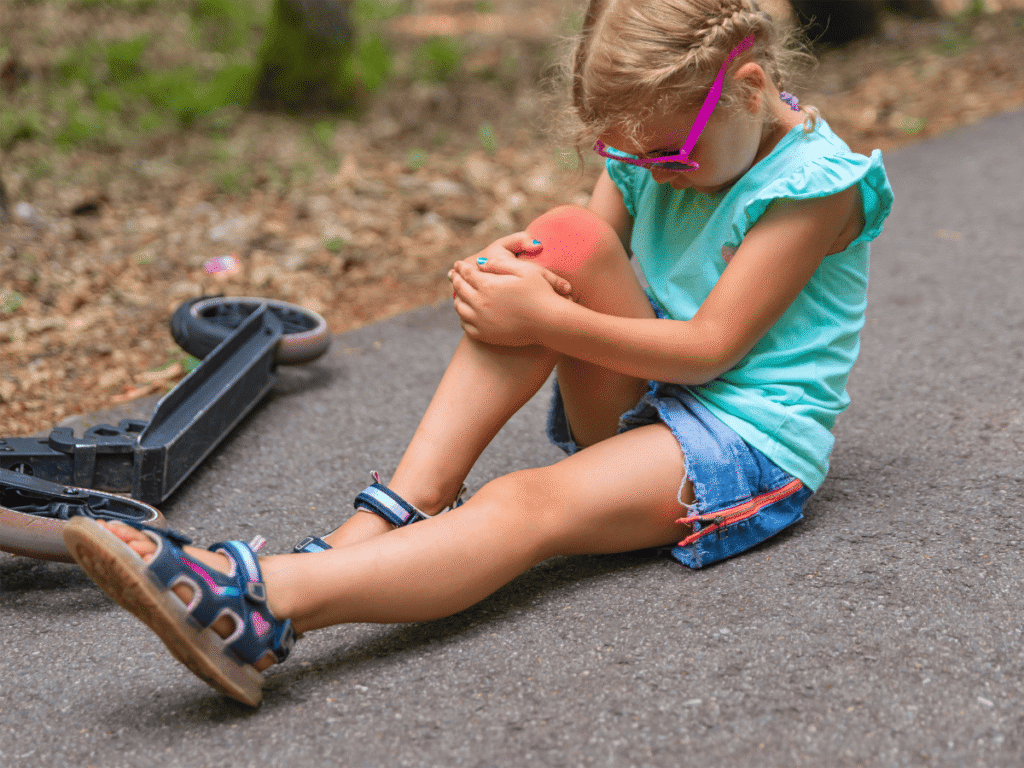
Injury pain, unlike growing pains, often has a clear cause — such as a fall, twist, or impact during play or sports. It tends to be localized to one area and may accompany swelling, redness, difficulty moving, or limping. If your child points to a specific spot that hurts after an incident, this is more likely injury-related than typical growing pains.
Key differences include:
- Pain during activity: If your child complains of pain while walking, running, or using the affected limb, it could be an injury.
- Persistent pain: Injuries often cause pain that doesn’t go away with rest and may worsen.
- Visible signs: Swelling, bruising, redness, or warmth around a joint are concerning.
- Functional changes: Limping, difficulty with weight‑bearing, or avoiding particular movements suggest injury.
Unlike the muscle discomfort described in growing pains, injury pain often affects joints or specific parts of a bone or muscle and may not resolve by the next day.
When to Reach Out to a Specialist
At POBAR, we understand how worrying it can be when your child experiences ongoing pain or discomfort. While many aches are part of normal childhood experiences, some symptoms deserve thoughtful evaluation by a pediatric orthopaedic specialist. Consider seeking a professional opinion if:
- Your child’s pain begins after a known injury, especially if swelling or limping is present.
- The pain is severe, persistent, or interferes with daily activities.
- Pain is only on one side and doesn’t follow the typical pattern of growing pains.
- You observe joint involvement, or the pain doesn’t go away by morning.
A compassionate evaluation can rule out issues such as muscle strains, joint injuries, or other orthopaedic concerns while providing reassurance and care strategies tailored to your child’s needs.
Helping Your Child Feel Better at Home
Whether you suspect growing pains or a mild injury, there are several supportive steps you can take at home that often bring comfort and relief:
- Warmth and massage: Gentle massage and warmth can soothe aching muscles and help your child relax before sleep.
- Stretching: Simple stretches during the day can ease tightness that accumulates after play.
- Rest and comfort: Encourage your child to rest if they are tired or sore, and provide reassurance — emotional comfort is just as important as physical care.
- Pain relievers when appropriate: In some cases, and with guidance from your healthcare provider, mild over‑the‑counter pain relievers can help ease discomfort. Always follow dosing recommendations for children.
These nurturing actions not only address the physical symptoms but also help your child feel supported and understood — an essential part of compassionate care.
Building Confidence Around Pain
Children may not always have the words to describe what they’re feeling, and that’s where your attentive care comes in. Observing how their pain behaves — whether it’s intermittent and mild or persistent and location‑specific — gives valuable clues to its cause. Growing pains can be a normal part of childhood, often fading with time, while injury pain may require focused care and monitoring over days or weeks.
We partner with families to interpret these signs with warmth and expertise. Our goal is always to support your child’s comfort, activity, and growing confidence — whether that means reassurance for normal aches or targeted strategies for injury prevention and healing.
Comfort and Clarity at POBAR
If you’re navigating the challenge of understanding whether your child’s discomfort is due to growing pains or injury pain in children, POBAR is here to walk with you. Our pediatric specialists provide compassionate evaluations and individualized care plans that help families feel secure and informed. Every child deserves to move, play, and sleep comfortably — and we’re ready to support your family with gentle guidance and expert care. Contact us to learn more about how we can help your child thrive.
Frequently Asked Questions
What are the most common signs of growing pains in children?
Growing pains typically cause aching or throbbing in both legs in the late afternoon or at night and disappear by morning without swelling or redness.
How can I tell if my child’s pain is from an injury instead of growing pains?
Injury pain usually follows a specific event and may include swelling, redness, limping, or persistent discomfort during activity.
Are growing pains harmful to my child’s development?
No, growing pains are considered harmless and often resolve on their own as the child gets older.
When should I see a doctor about my child’s leg pain?
You should seek medical advice if pain is severe, persistent, affects daily activities, or is accompanied by swelling, joint pain, or limping.
Can stretching help with growing pains?
Yes, gentle stretching and warmth can help relieve muscle discomfort associated with growing pains.
