Sprains

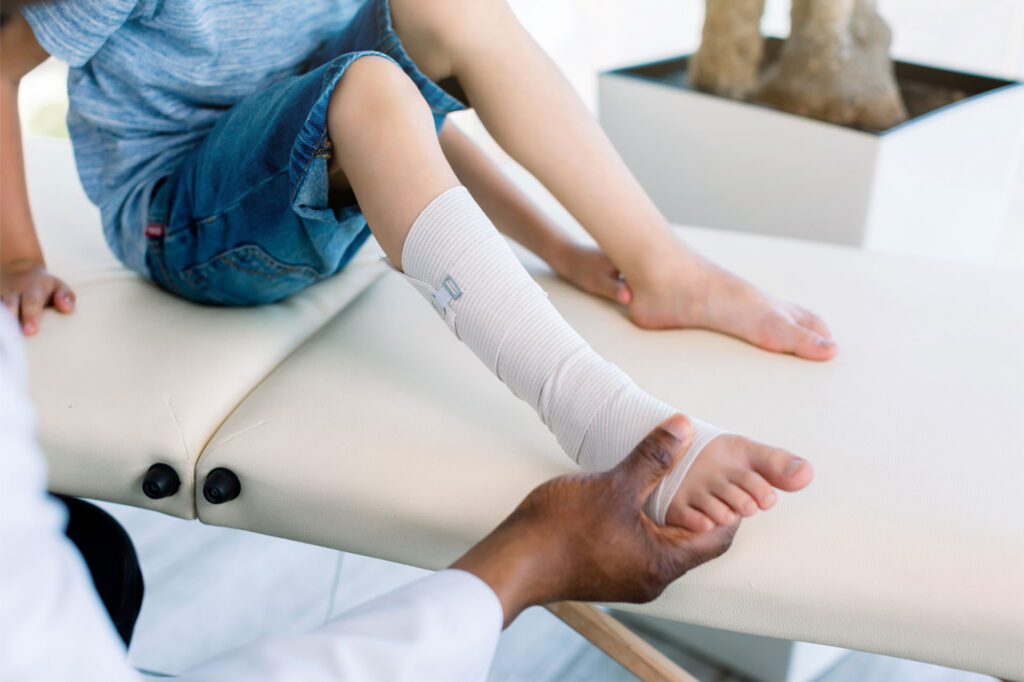
Child being evaluated for an ankle sprain at POBAR in Tampa, FL, where pediatric orthopedic specialists assess whether the injury involves ligaments or growth plates.
Sprains

Ankle Sprains in Children: More Than Just a Twisted Ankle

When a child rolls their ankle during a soccer game or a fall on the playground, the first response is usually to assume it is a simple sprain that will heal with rest, ice, and a few days off activity. In many cases, that assumption is reasonable. But in children, an ankle injury that looks and feels like a sprain deserves a closer look than it would in an adult, because the anatomy of a growing child’s ankle means that what appears to be a soft tissue injury may actually involve the growth plate. At POBAR, our pediatric orthopedic specialists evaluate ankle injuries in children with this distinction firmly in mind, because getting it right from the beginning makes a meaningful difference in how well the ankle heals. If your child has twisted their ankle and the symptoms are not resolving as expected, schedule an evaluation today. The ankle is one of the most commonly injured joints in active children, and it is also one of the most frequently misunderstood when it comes to how pediatric injuries differ from adult ones. Why Children’s Ankles Are Structurally Different In adults, the ligaments surrounding a joint are relatively weaker than the bone, which is why adults tend to sprain their ligaments when they twist an ankle. The bone remains intact and the soft tissue takes the damage. In children, this relationship is reversed. The growth plates in a growing child’s bones are composed of cartilage, which is significantly weaker and more vulnerable to injury than the surrounding ligaments. When a child twists their ankle with enough force, the most likely point of failure is the growth plate at the end of the fibula, one of the two bones in the lower leg, rather than the ligaments on the side of the ankle. This means that many ankle injuries in children that are called sprains are actually fractures through the growth plate. The injury may not look dramatic on the outside. The child may be able to put some weight on the ankle. There may be swelling and bruising that looks similar to a typical sprain. Without a careful physical examination and appropriate imaging interpreted by someone experienced in pediatric orthopedics, a growth plate fracture can be missed and treated as a soft tissue injury, which is an important distinction when it comes to healing and monitoring. The Problem With Applying Adult Standards to Children There is a well-known clinical decision tool called the Ottawa Ankle Rules that emergency physicians use to decide whether an adult with an ankle injury needs an X-ray. Research has shown clearly that these rules are not reliably applicable to children, particularly younger children, because the anatomy and injury patterns are fundamentally different. A child who passes the criteria that would rule out fracture in an adult may still have a significant growth plate injury that warrants imaging and orthopedic evaluation. This is not a criticism of general emergency providers, who appropriately follow evidence-based guidelines. It is simply an explanation for why a child who was seen at urgent care and told they have a sprain may benefit from follow up with a pediatric orthopedic specialist if symptoms persist or if the original evaluation did not include pediatric-specific assessment protocols. Signs That Suggest More Than a Soft Tissue Sprain Not every twisted ankle in a child requires immediate specialist referral, but there are specific patterns that suggest the injury may involve more than ligaments. Tenderness directly over the outer portion of the ankle bone rather than just over the ligament in front of or below it is a meaningful sign in a growing child. Significant swelling that develops quickly, inability or strong reluctance to put weight on the ankle, or pain that does not begin to improve within a few days of standard sprain care are all reasons to seek orthopedic evaluation. It is also worth noting that younger children and adolescents in different stages of skeletal development have different patterns of vulnerability. A young child whose growth plates are still quite active faces different risks than a teenager who is approaching the end of their growth period. At POBAR, the evaluation takes the child’s age and stage of development into account as a fundamental part of assessing the injury. What Proper Evaluation and Treatment Involve At POBAR in Brandon, evaluating a child’s ankle injury begins with a careful physical examination that specifically assesses areas of tenderness in relation to the known locations of growth plates and ligaments in a growing ankle. X-rays are interpreted with an understanding of how a child’s developing bones should appear at each stage of growth, and what findings require additional imaging or monitoring. When a growth plate injury is confirmed, the treatment plan is tailored to the type and severity, which may range from a walking boot or cast for several weeks to surgical treatment for injuries where the bone has shifted out of alignment. True ligament sprains do occur in children, particularly in older adolescents, and they are managed with the same general principles that apply in adult ankle sprains: rest, appropriate support, progressive rehabilitation, and a gradual return to activity when the ankle is stable and pain-free. What differs is the threshold for imaging and specialist involvement, because the cost of missing a growth plate injury in a child is higher than missing one in an adult whose bones are no longer growing. Active Kids Deserve the Right Start at POBAR Children who love to run, jump, and compete deserve to have their injuries evaluated by specialists who understand what makes a child’s anatomy unique. At POBAR in Brandon and Riverview, our team is here to make sure that a twisted ankle gets the assessment it actually needs, whether that means reassurance that a true sprain is healing on track or identifying and treating a growth plate injury before it has a chance to affect your child’s development. When something does not seem right after your child’s ankle injury,
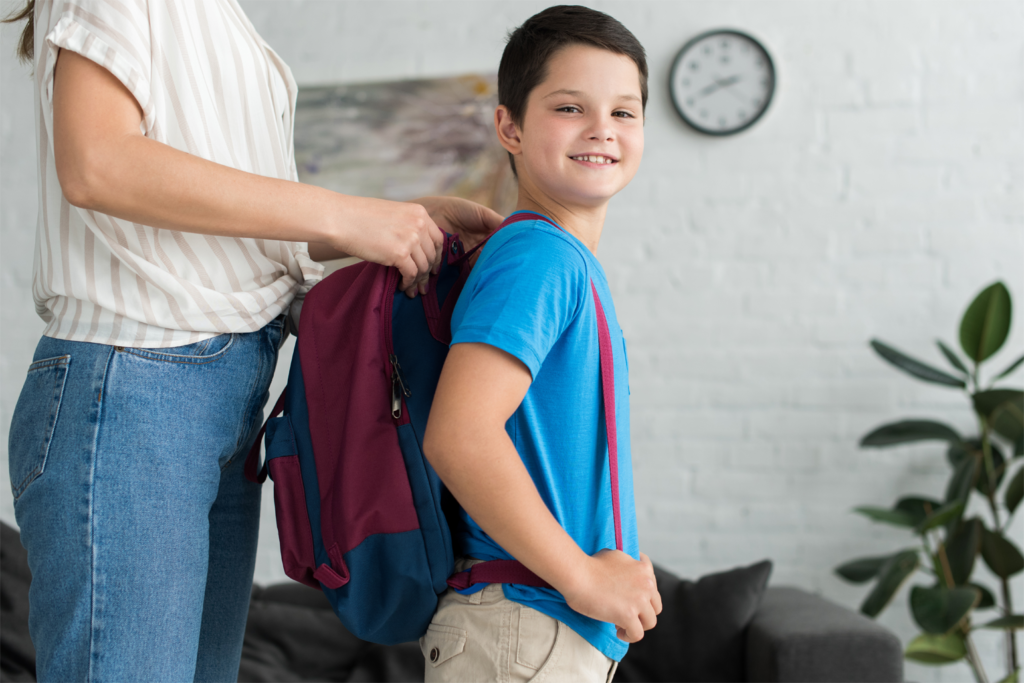
POBAR pediatric specialist in Tampa showing a parent how to properly fit and load a child's backpack to prevent back pain.
Sprains

Is My Child’s Backpack Hurting Their Back?

As the school year begins, most parents are thinking about supplies, schedules, and new shoes — but the backpack sitting on your child’s shoulders deserves just as much attention. Heavy or improperly worn backpacks are one of the most common and most overlooked causes of back, neck, and shoulder pain in school children. At POBAR, our team works with families in Tampa who are surprised to learn that a simple adjustment to how their child carries their bag can make a real difference in how their body feels. If your child has been complaining of aches after school, now is a great time to take a closer look at what they are carrying and how. It can feel easy to dismiss a child’s back pain as tiredness after a long day, but when it becomes a regular complaint, it is worth investigating. Children’s spines are still developing, and the strain of carrying too much weight in the wrong position day after day can affect posture, muscle balance, and overall comfort during some of the most active years of their lives. Why Backpacks Cause More Strain Than Parents Expect The spine is designed to carry weight when it is distributed evenly and close to the body’s center of gravity. A properly loaded backpack worn correctly works with the spine rather than against it. The problem comes when the bag is too heavy, the straps are too loose, or the weight shifts away from the back. When that happens, children naturally compensate — leaning forward, rounding the shoulders, or tilting to one side. Over time, these compensations strain muscles, compress joints, and create real pain. Research shows that more than half of school children regularly carry backpacks that exceed safe weight guidelines, and about a third of those children report experiencing back pain as a result. These are not dramatic injuries — they are the quiet, cumulative kind that build up over weeks and months without anyone noticing until the child starts dreading the walk to school. The Weight Rule Every Parent Should Know The most important guideline for backpack safety is simple: a child’s backpack should not weigh more than 10 percent of their body weight. For a child who weighs 60 pounds, that means the backpack should weigh no more than six pounds. For a child who weighs 100 pounds, ten pounds is the limit. These numbers may seem surprisingly low, especially when you factor in a laptop, several textbooks, a water bottle, gym clothes, and lunch. This is why checking the backpack weight regularly, not just at the start of the year, is worthwhile. What starts as a manageable load in September can quietly grow heavier by October as more materials accumulate. A small kitchen scale at home makes this check quick and easy. How the Backpack Is Worn Matters as Much as What Is Inside Parents often focus on what goes into the backpack but pay less attention to how it sits on the body. Both matter equally. A bag worn over one shoulder shifts all the weight to one side, causing the body to lean and creating uneven stress on the muscles and spine. Even a lighter bag worn this way can cause discomfort over time. The backpack should always be worn with both straps. Straps should be adjusted so the bag sits close to the back, with the top of the pack roughly level with the shoulder blades and the bottom resting near the waist. A loose bag that hangs low pulls the body backward and forces the child to arch or bend forward to compensate. Waist and chest straps, when available, help distribute weight across the core rather than concentrating it on the shoulders. When packing the bag, the heaviest items; textbooks and laptops, should sit closest to the child’s back. Lighter items go toward the front. This placement keeps the center of gravity where it belongs and reduces the pulling sensation that causes leaning. Choosing a Backpack That Works for Your Child’s Body Not all backpacks are built the same, and the features that look nice in a store are not always the ones that protect a growing spine. When selecting a bag, POBAR recommends looking for a few key qualities: Wide, padded shoulder straps that distribute weight across a larger surface area A padded back panel that keeps contents from pressing into the spine Multiple compartments to spread weight evenly A size that fits the child’s torso, not one that hangs past the lower back A waist or chest strap for heavier loads Avoid oversized bags. The more space a backpack has, the more likely it is to be filled. A bag sized for the child’s age and frame encourages carrying only what is needed. Signs Your Child’s Back Pain May Need Evaluation Most backpack-related back pain improves quickly once the load is lightened and the bag is worn correctly. However, some symptoms deserve a closer look. If your child’s back pain is persistent, severe, or accompanied by tingling or numbness in the arms or legs, it is worth scheduling an evaluation with a pediatric specialist. At POBAR, the team sees children whose back pain began as a backpack issue and turned out to involve an underlying condition that needed attention, such as a growth plate strain or early spinal concern. Getting the right evaluation rules out anything more serious and gives parents peace of mind. You do not need to wait until the pain is significant — if something feels off, it is always worth checking. Simple Habits That Protect Your Child’s Spine All Year Beyond the backpack itself, a few daily habits support a healthy spine throughout the school year: Encourage your child to use their locker or classroom storage throughout the day rather than carrying everything at once Remind them to lift the backpack with both hands before slipping it on, rather than swinging it over one shoulder Check in periodically about how their back is feeling, since children

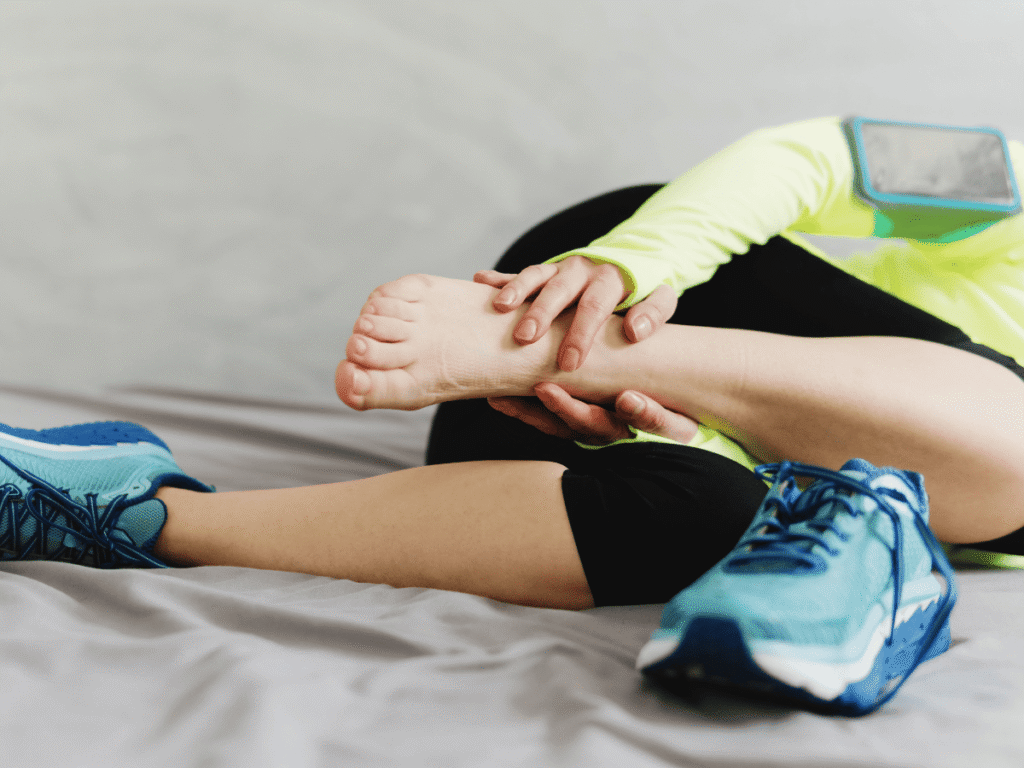
A caring pediatric orthopedist examining a child with a joint sprain at POBAR clinic in Brandon.
Sprains

Bumps, Twists, and Turns: Understanding Pediatric Sprains

Pediatric joint sprains can be worrying for both children and parents, but with the right care, healing and strength can return. At POBAR, our experts guide families through recognizing symptoms, getting the right diagnosis, and following a treatment plan suited to your child’s needs. Understanding how a sprain happens, what to watch for, and how long recovery takes can ease your mind and help your child feel better sooner. Contact us for personalized guidance, compassionate care, and support at every step. From a playful jump on the playground to spirited games of backyard soccer, childhood is full of bumps and twists. Pediatric joint sprains happen when the strong bands of tissue called ligaments stretch or tear, usually from an unexpected twist, fall, or tumble during play or sports. These injuries can be painful and concerning, but with careful attention and expert guidance, most kids recover fully. Knowing the signs to watch for and how to help your child heal safely can make all the difference.   What Is a Pediatric Joint Sprain? A pediatric joint sprain happens when a ligament — the tissue that connects two bones at a joint — is stretched beyond its normal range or partially torn. This commonly affects the ankle, knee, or wrist, especially in active children who love running, jumping, and playing sports. Even though children’s bones are still growing, sprains can occur and need thoughtful care just like in adults. Early and accurate care helps support healing and reduces the risk of repeated injuries later in life.   Common Causes of Sprains in Children Children are naturally energetic, often trying new movements or playing on uneven surfaces. Typical causes of joint sprains include: Quick changes in direction while running or playing sports Landing awkwardly after a jump Falling during playground activities Collisions with peers or objects during play Because children’s coordination and balance are still developing, they’re sometimes more prone to sprains during vigorous play. When a sprain occurs, ligaments may be overstretched or partially torn, leading to pain and swelling around the joint.   Recognizing the Signs and Symptoms Understanding what to look for can help you decide when your child needs care: Pain around the affected joint that gets worse with movement Swelling or puffiness shortly after the injury Bruising or discoloration over the joint Limited ability to move or put weight on the joint A popping sensation at the time of injury Older children may describe discomfort, while younger ones might limp, refuse to use the injured joint, or tug at the area. Because symptoms can resemble other types of injuries, careful evaluation is important.   Getting an Accurate Diagnosis At POBAR, we tailor the evaluation to your child’s unique situation. A thorough physical examination helps assess how much a ligament has been stretched or torn. Imaging tools like MRI scans may be used to visualize soft tissues and ensure there aren’t more serious injuries alongside the sprain. Early and precise diagnosis helps our team recommend the best path to healing and helps prevent long-term joint problems.   Treatment Options for Pediatric Joint Sprains Once a sprain is identified, treatment focuses on reducing pain and swelling while helping the joint regain strength and stability. Typical care options include: Rest, Ice, Compression, Elevation (RICE) Rest gives the injured joint a break from stress Ice applied in intervals helps reduce swelling Compression wraps support the joint Elevation above heart level decreases inflammation Physical Therapy A guided therapy program can restore range of motion, build strength, and improve stability so your child feels confident moving again. Bracing or Taping Supportive braces or tape can protect the joint during the healing phase and reduce the risk of further injury. This personalized approach ensures your child gets exactly the care they need — from simple sprains to more complex ligament injuries.   Recovery: What to Expect Most pediatric joint sprains heal within several weeks with proper care. A mild sprain might improve in a couple of weeks, while more severe injuries could take 4–6 weeks or longer to return to full strength. During recovery, it’s important to: Protect the injured joint with rest and gentle support Follow therapist-recommended exercises to build strength Gradually reintroduce activities, starting with low-impact movements Every child heals at their own pace. Our specialists carefully monitor recovery and adjust guidance to your child’s progress, helping them return to play safely and confidently.   Preventing Future Sprains While not every sprain can be prevented, you can reduce risk by encouraging: Warm-up and stretching before activity Proper footwear that fits well and offers support Strong foundational strength through balanced play and exercise Safe play environments that are free from hazards Encouraging healthy habits and proper technique in sports can help children stay active and minimize the likelihood of future sprains.   POBAR Pediatric Joint Care — Helping Your Child Heal & Thrive At POBAR, we know how worrying it can be to see your child hurt. Our compassionate team is dedicated to providing expert pediatric joint sprain care that prioritizes your child’s comfort, healing, and long-term joint health. Whether your child needs a gentle physical therapy plan, thoughtful evaluation with imaging, or simply guidance through recovery, we are here to support your family every step of the way. Schedule a consultation or visit our clinic to learn how we can help your child recover safely and confidently.   Frequently Asked Questions What’s the difference between a sprain and a fracture? A sprain affects the ligament around a joint, while a fracture involves a broken bone. Severe pain, visible deformity, or inability to bear weight may suggest a fracture, and should be evaluated promptly by an orthopaedic specialist. How soon can my child return to sports after a sprain? Return to sports should only happen once pain is gone and strength and stability are restored. A gradual progression with guidance from a specialist helps reduce the risk of re-injury. Can a mild sprain heal at home? Mild sprains often improve with rest, ice,