
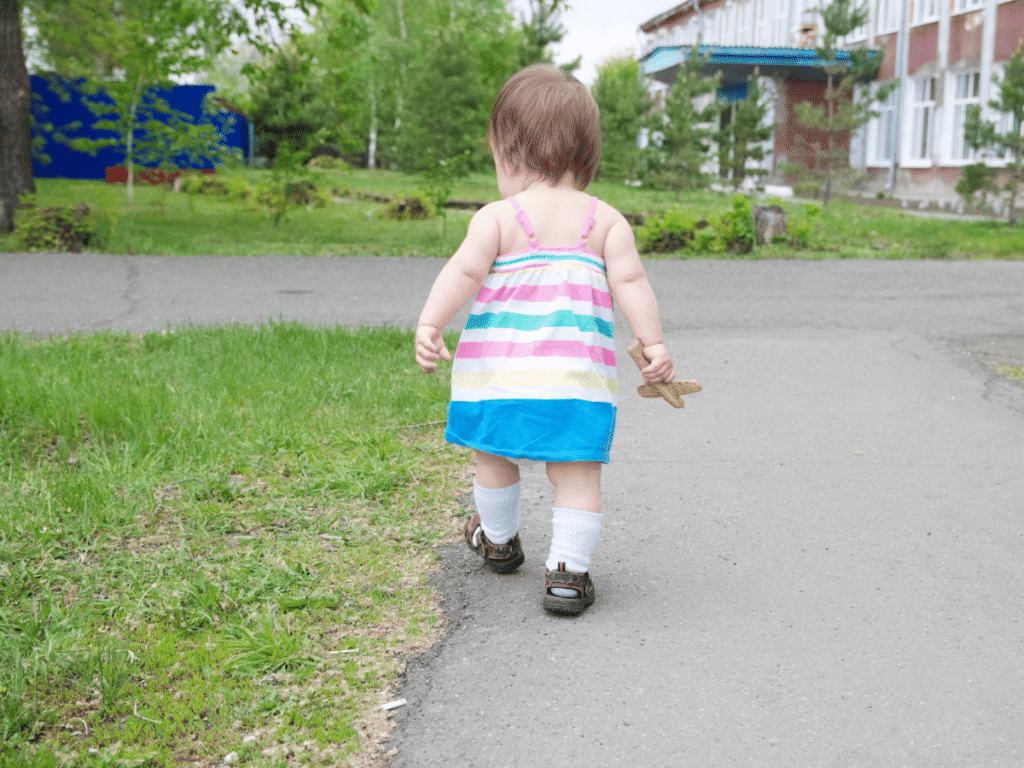
Gait Abnormalities in Children: A Parent’s Guide
Gait abnormalities in children can range from mild variations to signs of underlying orthopedic conditions. At POBAR, our pediatric orthopedic specialists help families understand different types of gait patterns, their causes, and when medical evaluation is necessary. This guide provides parents with information on common gait issues, including in-toeing, out-toeing, limping, and toe-walking, as well as tips for monitoring their child’s development at home. Parents will gain the knowledge to recognize potential concerns and schedule an evaluation for individualized guidance and peace of mind. Children develop walking patterns gradually, and some variations are completely normal. However, noticeable differences in gait can sometimes indicate orthopedic or neuromuscular conditions. Gait abnormalities in children are often subtle at first, but early detection and evaluation by a pediatric orthopedic specialist can make a meaningful difference in outcomes. Understanding what constitutes a normal gait, what variations to watch for, and the options for intervention is essential for every parent. What Are Gait Abnormalities in Children? Gait abnormalities refer to deviations from typical walking or running patterns. These can be caused by structural differences, muscle imbalances, or neurological factors. Some children naturally have in-toeing or out-toeing that resolves over time. Limping may signal pain, injury, or underlying joint conditions. Toe-walking beyond the age of three can indicate tight heel cords or neuromuscular issues. Recognizing the type and severity of the abnormality helps determine whether monitoring, therapy, or medical intervention is necessary. Common Types of Gait Abnormalities Parents may notice a range of walking variations, including: In-toeing (pigeon-toed): Feet point inward; often related to increased femoral anteversion or tibial torsion. Out-toeing: Feet point outward; may be due to hip rotation or structural leg differences. Toe-walking: Persistent walking on toes beyond toddler years; can be idiopathic or linked to tight Achilles tendons or neuromuscular conditions. Limping: Uneven weight bearing due to pain, injury, or developmental disorders. Waddling gait: Wide, swaying steps; sometimes associated with hip disorders or muscular weakness. Each type has unique signs, causes, and potential interventions. Observing your child carefully and taking note of patterns is essential for accurate evaluation. Causes and Risk Factors Gait abnormalities in children can have multiple causes: Developmental variations: Many mild gait differences, such as in-toeing, are normal and resolve naturally. Structural differences: Abnormal femur, tibia, hip, or foot alignment can affect gait. Muscle or ligament issues: Tightness, weakness, or imbalance can change walking patterns. Neurological conditions: Less common, but issues like cerebral palsy or peripheral nerve injuries can manifest as abnormal gait. Injuries or joint conditions: Trauma, infections, or growth plate injuries may temporarily or permanently alter gait. Understanding these factors allows parents and our pediatric orthopedic specialists to identify which gait patterns are likely to self-correct and which require treatment. When to Seek Evaluation While many gait differences are harmless, parents should schedule an evaluation if they notice: Persistent limping or pain while walking Toe-walking beyond age three without improvement Frequent tripping or imbalance Uneven leg length or significant asymmetry in steps Sudden changes in gait after an injury Early evaluation ensures proper diagnosis and treatment, reducing the risk of long-term complications and supporting normal development. Assessment and Diagnosis Our pediatric orthopedic specialists perform thorough assessments, including: Detailed medical and family history Observation of walking, running, and climbing Measurement of joint angles and limb rotation Screening for underlying neurological or musculoskeletal conditions Sometimes imaging or gait analysis tools are used to better understand bone alignment and muscle function. This comprehensive approach allows the team to recommend individualized management plans. Treatment and Management Options Treatment depends on the underlying cause and severity of the gait abnormality. Common approaches include: Observation: Many minor variations resolve naturally as children grow. Physical therapy: Strengthening, stretching, and balance exercises support normal gait patterns. Orthotic devices: Custom shoe inserts may be used in select cases to improve alignment and comfort. Surgical intervention: Rarely needed, reserved for significant structural or functional issues. We emphasize non-invasive management whenever possible, helping children remain active while monitoring progress. Supporting Healthy Gait at Home Parents play a crucial role in supporting normal walking patterns: Encourage regular physical activity and play that promotes strength and coordination Limit prolonged positions that may worsen rotational differences, such as W-sitting Observe and document walking patterns for comparison over time Foster confidence and positive reinforcement rather than focusing on “correcting” minor variations Creating a safe and active environment helps children naturally develop strong, balanced gait patterns. POBAR Pediatric Orthopedics: Comprehensive Care for Your Child At POBAR, our pediatric orthopedic team specializes in diagnosing and managing gait abnormalities in children. We focus on compassionate, evidence-based care, ensuring families understand when intervention is necessary and when observation is sufficient. Our specialists guide parents on activities, therapy, and monitoring techniques to support healthy walking patterns. Schedule a consultation today to discuss your child’s gait concerns and receive personalized guidance for long-term mobility and confidence. FAQ Are all gait abnormalities in children cause for concern? No, many gait differences are normal developmental variations that resolve over time. Evaluation is recommended if the gait causes pain, imbalance, or functional limitations. Can gait abnormalities affect sports or daily activities? Mild gait variations usually do not affect performance. More pronounced abnormalities may require therapy to prevent discomfort or increased risk of injury. How long does it take for gait issues to improve? It depends on the cause; many mild cases self-correct over a few years. Therapy or orthotics may accelerate improvement in some children. What is the role of physical therapy for gait abnormalities? Physical therapy strengthens muscles, improves flexibility, and supports normal walking patterns. It is a key non-invasive approach for most children. When should I consult POBAR for my child’s gait? Consult a pediatric orthopedic specialist if your child exhibits persistent toe-walking, limping, pain, or sudden gait changes. Early evaluation ensures accurate diagnosis and tailored management. Dr BradleyDr. Timothy Bradley, a distinguished member of the Pediatric Orthopedic Society of North America and the American Academy of Orthopedic Surgeons, is a
