
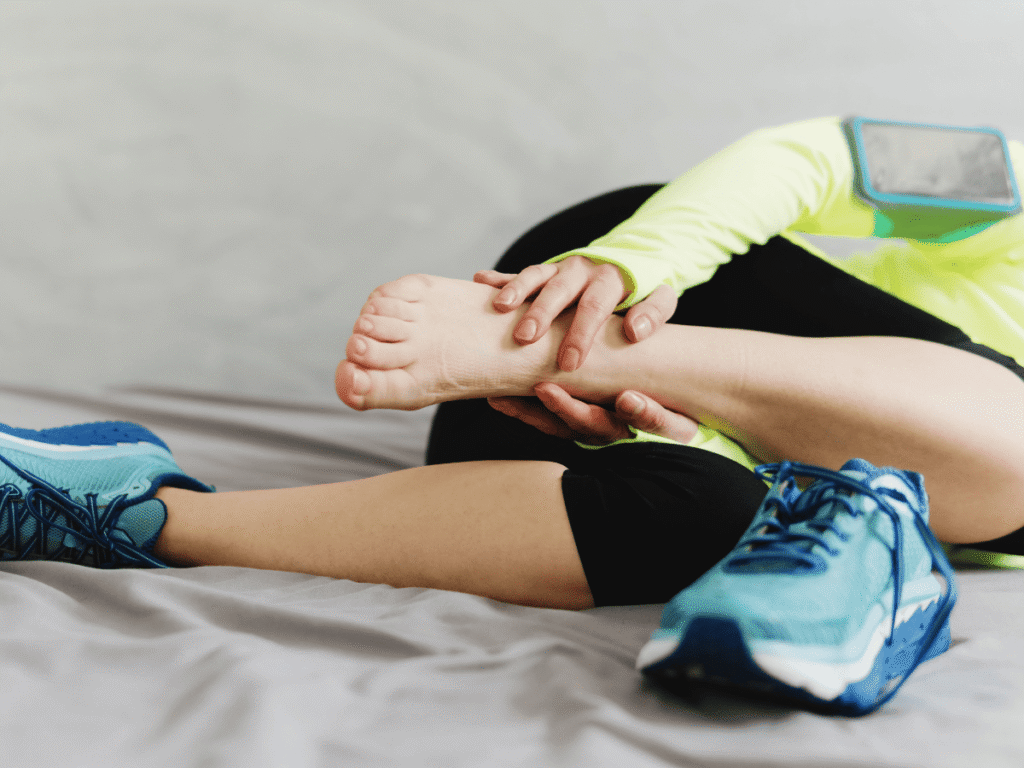
Pediatric joint sprains can be worrying for both children and parents, but with the right care, healing and strength can return. At POBAR, our experts guide families through recognizing symptoms, getting the right diagnosis, and following a treatment plan suited to your child’s needs. Understanding how a sprain happens, what to watch for, and how long recovery takes can ease your mind and help your child feel better sooner. Contact us for personalized guidance, compassionate care, and support at every step.
From a playful jump on the playground to spirited games of backyard soccer, childhood is full of bumps and twists. Pediatric joint sprains happen when the strong bands of tissue called ligaments stretch or tear, usually from an unexpected twist, fall, or tumble during play or sports. These injuries can be painful and concerning, but with careful attention and expert guidance, most kids recover fully. Knowing the signs to watch for and how to help your child heal safely can make all the difference.
What Is a Pediatric Joint Sprain?
A pediatric joint sprain happens when a ligament — the tissue that connects two bones at a joint — is stretched beyond its normal range or partially torn. This commonly affects the ankle, knee, or wrist, especially in active children who love running, jumping, and playing sports. Even though children’s bones are still growing, sprains can occur and need thoughtful care just like in adults. Early and accurate care helps support healing and reduces the risk of repeated injuries later in life.
Common Causes of Sprains in Children
Children are naturally energetic, often trying new movements or playing on uneven surfaces. Typical causes of joint sprains include:
- Quick changes in direction while running or playing sports
- Landing awkwardly after a jump
- Falling during playground activities
- Collisions with peers or objects during play
Because children’s coordination and balance are still developing, they’re sometimes more prone to sprains during vigorous play. When a sprain occurs, ligaments may be overstretched or partially torn, leading to pain and swelling around the joint.
Recognizing the Signs and Symptoms
Understanding what to look for can help you decide when your child needs care:
- Pain around the affected joint that gets worse with movement
- Swelling or puffiness shortly after the injury
- Bruising or discoloration over the joint
- Limited ability to move or put weight on the joint
- A popping sensation at the time of injury
Older children may describe discomfort, while younger ones might limp, refuse to use the injured joint, or tug at the area. Because symptoms can resemble other types of injuries, careful evaluation is important.
Getting an Accurate Diagnosis
At POBAR, we tailor the evaluation to your child’s unique situation. A thorough physical examination helps assess how much a ligament has been stretched or torn. Imaging tools like MRI scans may be used to visualize soft tissues and ensure there aren’t more serious injuries alongside the sprain. Early and precise diagnosis helps our team recommend the best path to healing and helps prevent long-term joint problems.
Treatment Options for Pediatric Joint Sprains
Once a sprain is identified, treatment focuses on reducing pain and swelling while helping the joint regain strength and stability. Typical care options include:
Rest, Ice, Compression, Elevation (RICE)
- Rest gives the injured joint a break from stress
- Ice applied in intervals helps reduce swelling
- Compression wraps support the joint
- Elevation above heart level decreases inflammation
Physical Therapy
A guided therapy program can restore range of motion, build strength, and improve stability so your child feels confident moving again.
Bracing or Taping
Supportive braces or tape can protect the joint during the healing phase and reduce the risk of further injury.
This personalized approach ensures your child gets exactly the care they need — from simple sprains to more complex ligament injuries.
Recovery: What to Expect
Most pediatric joint sprains heal within several weeks with proper care. A mild sprain might improve in a couple of weeks, while more severe injuries could take 4–6 weeks or longer to return to full strength. During recovery, it’s important to:
- Protect the injured joint with rest and gentle support
- Follow therapist-recommended exercises to build strength
- Gradually reintroduce activities, starting with low-impact movements
Every child heals at their own pace. Our specialists carefully monitor recovery and adjust guidance to your child’s progress, helping them return to play safely and confidently.
Preventing Future Sprains
While not every sprain can be prevented, you can reduce risk by encouraging:
- Warm-up and stretching before activity
- Proper footwear that fits well and offers support
- Strong foundational strength through balanced play and exercise
- Safe play environments that are free from hazards
Encouraging healthy habits and proper technique in sports can help children stay active and minimize the likelihood of future sprains.
POBAR Pediatric Joint Care — Helping Your Child Heal & Thrive
At POBAR, we know how worrying it can be to see your child hurt. Our compassionate team is dedicated to providing expert pediatric joint sprain care that prioritizes your child’s comfort, healing, and long-term joint health. Whether your child needs a gentle physical therapy plan, thoughtful evaluation with imaging, or simply guidance through recovery, we are here to support your family every step of the way. Schedule a consultation or visit our clinic to learn how we can help your child recover safely and confidently.
Frequently Asked Questions
What’s the difference between a sprain and a fracture?
A sprain affects the ligament around a joint, while a fracture involves a broken bone. Severe pain, visible deformity, or inability to bear weight may suggest a fracture, and should be evaluated promptly by an orthopaedic specialist.
How soon can my child return to sports after a sprain?
Return to sports should only happen once pain is gone and strength and stability are restored. A gradual progression with guidance from a specialist helps reduce the risk of re-injury.
Can a mild sprain heal at home?
Mild sprains often improve with rest, ice, compression, and elevation (RICE) at home. If symptoms persist beyond a few days or worsen, professional evaluation is recommended.
Are sprains common in all joints?
While sprains can occur in any joint, ankles and knees are most frequently affected in children because they bear more force during play and sport.
How can I help prevent sprains in my active child?
Encouraging warm-ups, proper footwear, strength-building activities, and safe play habits can lower the chance of injury. Awareness of technique and balanced activity schedules also supports joint health.

Dr. Timothy Bradley, a distinguished member of the Pediatric Orthopedic Society of North America and the American Academy of Orthopedic Surgeons, is a leading expert in pediatric orthopedics serving the community of Brandon, Riverview and whole of Tampa. With a commitment to providing the highest quality care for young patients, Dr. Bradley has earned a reputation for excellence in the field. His expertise and dedication to improving the lives of children through orthopedic solutions make him a trusted authority in the orthopedic community. Dr. Bradley’s
work at POBAR in Tampa exemplifies his passion for compassionate and effective healthcare, ensuring a brighter and healthier future for young patients.