
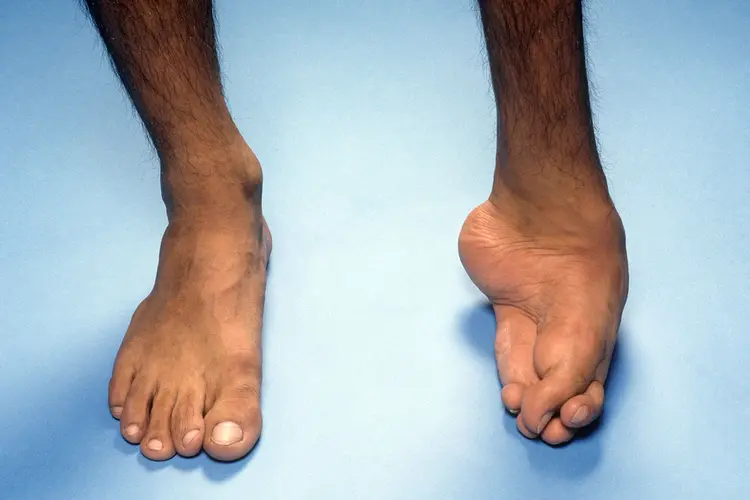
Understanding clubfoot can feel overwhelming, but POBAR provides compassionate guidance and proven treatment options for your child. From early diagnosis to effective therapies, our team helps parents navigate every step with confidence and care. Explore treatment approaches, long-term outcomes, and how early intervention can make a meaningful difference. Schedule a consultation with our team to learn personalized strategies for your child’s foot health and mobility.
When your child is diagnosed with clubfoot, it can be both surprising and worrying. Parents naturally want to know what the condition means and what the future holds. Clubfoot is a congenital condition that affects the alignment of a baby’s foot, and early treatment can significantly improve outcomes. With the right support and guidance, families can feel empowered to take proactive steps for their child’s health and comfort.
Understanding Clubfoot: What It Is and How It Develops
Clubfoot, also known as congenital talipes equinovarus, is a condition present at birth that causes one or both feet to turn inward or downward. While the exact cause is not always clear, it can involve genetic and environmental factors. Clubfoot occurs in approximately 1 in every 1,000 births, and early recognition is key to successful treatment.
Signs of clubfoot may include:
- One or both feet appearing twisted or turned inward
- The top of the foot pointing downward and the heel turning inward
- Affected calf muscles that are smaller than usual
- Limited range of motion in the ankle
Recognizing these signs early allows parents to seek expert guidance, and we specialize in providing compassionate care and individualized treatment plans for children with clubfoot.
How Clubfoot Is Diagnosed
Diagnosis usually happens shortly after birth during a routine physical examination. Pediatricians or pediatric orthopedic specialists will assess the foot’s position, flexibility, and overall structure. In some cases, ultrasound imaging can be used prenatally to detect clubfoot before birth.
A thorough evaluation includes:
- Assessing the severity of the foot’s deformity
- Evaluating both feet for symmetry
- Determining any associated conditions, such as muscular or skeletal differences
Early diagnosis is crucial because the earlier treatment begins, the higher the likelihood of successful correction and long-term mobility. We ensure families receive a clear explanation of the diagnosis, expected progression, and treatment options in a supportive, non-intimidating way.
Treatment Options for Clubfoot
Clubfoot treatment focuses on gradually correcting the foot’s alignment, improving flexibility, and promoting normal growth. There are several approaches, depending on the severity of the condition:
Non-Surgical Approaches
- Ponseti Method: A gentle, step-by-step process of stretching and casting the foot to gradually correct its position. Often followed by bracing to maintain alignment.
- Stretching and Physical Therapy: Targeted exercises and stretches help maintain flexibility and muscle strength.
Surgical Approaches
- Surgery may be recommended for severe or resistant cases. Procedures aim to release tight tendons and ligaments, repositioning the foot into a more natural alignment.
- Post-surgery rehabilitation includes bracing, physical therapy, and ongoing monitoring to prevent recurrence.
Our team emphasizes personalized care, choosing the approach best suited to each child’s needs and ensuring families are supported throughout the process.
The Importance of Early Intervention
Starting treatment as soon as possible has a major impact on long-term outcomes. Babies’ bones and tissues are more flexible, making non-surgical correction methods more effective. Delaying treatment can increase the likelihood of requiring more invasive procedures later.
Benefits of early intervention include:
- Improved foot alignment and function
- Reduced risk of long-term pain or mobility limitations
- Enhanced ability for the child to participate in normal activities as they grow
- Minimized likelihood of recurrence or additional corrective procedures
We work closely with parents to develop a proactive plan, providing reassurance, resources, and regular follow-up to track progress.
Daily Care and Support at Home
Supporting a child with clubfoot extends beyond the clinic. Parents play a key role in maintaining corrections, encouraging exercises, and monitoring development. Some practical strategies include:
- Ensuring braces or corrective footwear are worn according to the prescribed schedule
- Gently stretching the foot and ankle as instructed by the specialist
- Keeping a daily log of progress and any concerns to share at follow-up appointments
- Creating a positive, encouraging environment to help the child adapt comfortably
This hands-on involvement helps families feel confident in managing the condition while reinforcing the treatment’s effectiveness. We provide clear instructions and ongoing guidance to make daily care manageable and stress-free.
Long-Term Outlook for Children with Clubfoot
With proper care and treatment, most children with clubfoot grow up with healthy, functional feet. Many can participate in normal physical activities, including sports, without limitation.
Key factors affecting long-term outcomes:
- Consistency in following treatment and bracing protocols
- Regular follow-up visits with specialists
- Early recognition of any recurrence or changes in foot position
Parents who engage actively in the process, along with the expert guidance provided by our team, can help ensure the best possible results for their child’s mobility, comfort, and confidence.
Supporting Your Child Emotionally
Clubfoot treatment can be a lengthy process, and children may need encouragement to adapt to braces, casts, or exercises. Maintaining open communication, celebrating small milestones, and fostering a positive attitude toward treatment are essential.
Suggestions for emotional support:
- Explain treatment steps in age-appropriate language
- Encourage participation in peer activities to reinforce normalcy
- Use praise and rewards to reinforce compliance with braces or exercises
- Connect with parent support groups or online communities for shared experiences
We prioritize compassionate care for both children and their families, recognizing the emotional journey is as important as the physical correction.
POBAR: Guiding Families Every Step of the Way
At POBAR, families don’t just receive treatment—they gain a partner in navigating clubfoot with empathy, expertise, and individualized attention. Our team focuses on providing the highest standard of care while supporting parents and children emotionally and practically. From the first consultation to long-term follow-up, we ensure your child’s path to healthy, functional feet is guided with compassion and confidence. Schedule a consultation today to learn about personalized options and take the first step toward lasting relief and mobility for your child.
Frequently Asked Questions
- Is clubfoot hereditary?
Clubfoot can have a genetic component, but it is often influenced by multiple factors. Having one child with clubfoot does not guarantee another will have the condition. - Can clubfoot be corrected without surgery?
Many cases can be corrected non-surgically using the Ponseti method or targeted stretching and bracing. Surgery is typically reserved for severe or resistant cases. - How long does treatment take?
Treatment duration varies depending on severity, but non-surgical methods often take several weeks of casting followed by months of bracing. Consistent follow-up ensures the best outcomes. - Will my child need special shoes after treatment?
Bracing or corrective footwear may be necessary during and after treatment. Most children eventually transition to regular shoes once alignment is maintained. - Can children with clubfoot participate in sports?
Yes, with proper treatment and follow-up care, most children can participate in normal physical activities. Early and consistent intervention supports long-term mobility and function.

Dr. Timothy Bradley, a distinguished member of the Pediatric Orthopedic Society of North America and the American Academy of Orthopedic Surgeons, is a leading expert in pediatric orthopedics serving the community of Brandon, Riverview and whole of Tampa. With a commitment to providing the highest quality care for young patients, Dr. Bradley has earned a reputation for excellence in the field. His expertise and dedication to improving the lives of children through orthopedic solutions make him a trusted authority in the orthopedic community. Dr. Bradley’s
work at POBAR in Tampa exemplifies his passion for compassionate and effective healthcare, ensuring a brighter and healthier future for young patients.