Clubfoot

Clubfoot, Healthy Kids

Curious About Clubfoot? Here’s What Parents Need to Know

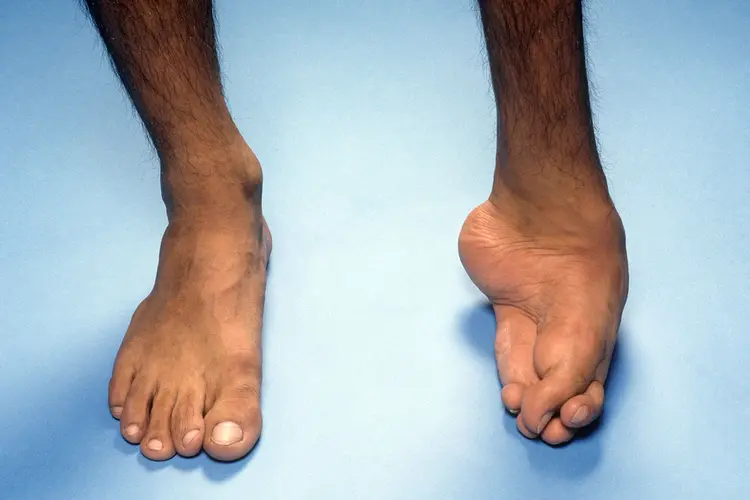
Understanding clubfoot can feel overwhelming, but POBAR provides compassionate guidance and proven treatment options for your child. From early diagnosis to effective therapies, our team helps parents navigate every step with confidence and care. Explore treatment approaches, long-term outcomes, and how early intervention can make a meaningful difference. Schedule a consultation with our team to learn personalized strategies for your child’s foot health and mobility. When your child is diagnosed with clubfoot, it can be both surprising and worrying. Parents naturally want to know what the condition means and what the future holds. Clubfoot is a congenital condition that affects the alignment of a baby’s foot, and early treatment can significantly improve outcomes. With the right support and guidance, families can feel empowered to take proactive steps for their child’s health and comfort. Understanding Clubfoot: What It Is and How It Develops Clubfoot, also known as congenital talipes equinovarus, is a condition present at birth that causes one or both feet to turn inward or downward. While the exact cause is not always clear, it can involve genetic and environmental factors. Clubfoot occurs in approximately 1 in every 1,000 births, and early recognition is key to successful treatment. Signs of clubfoot may include: One or both feet appearing twisted or turned inward The top of the foot pointing downward and the heel turning inward Affected calf muscles that are smaller than usual Limited range of motion in the ankle Recognizing these signs early allows parents to seek expert guidance, and we specialize in providing compassionate care and individualized treatment plans for children with clubfoot. How Clubfoot Is Diagnosed Diagnosis usually happens shortly after birth during a routine physical examination. Pediatricians or pediatric orthopedic specialists will assess the foot’s position, flexibility, and overall structure. In some cases, ultrasound imaging can be used prenatally to detect clubfoot before birth. A thorough evaluation includes: Assessing the severity of the foot’s deformity Evaluating both feet for symmetry Determining any associated conditions, such as muscular or skeletal differences Early diagnosis is crucial because the earlier treatment begins, the higher the likelihood of successful correction and long-term mobility. We ensure families receive a clear explanation of the diagnosis, expected progression, and treatment options in a supportive, non-intimidating way. Treatment Options for Clubfoot Clubfoot treatment focuses on gradually correcting the foot’s alignment, improving flexibility, and promoting normal growth. There are several approaches, depending on the severity of the condition: Non-Surgical Approaches Ponseti Method: A gentle, step-by-step process of stretching and casting the foot to gradually correct its position. Often followed by bracing to maintain alignment. Stretching and Physical Therapy: Targeted exercises and stretches help maintain flexibility and muscle strength. Surgical Approaches Surgery may be recommended for severe or resistant cases. Procedures aim to release tight tendons and ligaments, repositioning the foot into a more natural alignment. Post-surgery rehabilitation includes bracing, physical therapy, and ongoing monitoring to prevent recurrence. Our team emphasizes personalized care, choosing the approach best suited to each child’s needs and ensuring families are supported throughout the process. The Importance of Early Intervention Starting treatment as soon as possible has a major impact on long-term outcomes. Babies’ bones and tissues are more flexible, making non-surgical correction methods more effective. Delaying treatment can increase the likelihood of requiring more invasive procedures later. Benefits of early intervention include: Improved foot alignment and function Reduced risk of long-term pain or mobility limitations Enhanced ability for the child to participate in normal activities as they grow Minimized likelihood of recurrence or additional corrective procedures We work closely with parents to develop a proactive plan, providing reassurance, resources, and regular follow-up to track progress. Daily Care and Support at Home Supporting a child with clubfoot extends beyond the clinic. Parents play a key role in maintaining corrections, encouraging exercises, and monitoring development. Some practical strategies include: Ensuring braces or corrective footwear are worn according to the prescribed schedule Gently stretching the foot and ankle as instructed by the specialist Keeping a daily log of progress and any concerns to share at follow-up appointments Creating a positive, encouraging environment to help the child adapt comfortably This hands-on involvement helps families feel confident in managing the condition while reinforcing the treatment’s effectiveness. We provide clear instructions and ongoing guidance to make daily care manageable and stress-free. Long-Term Outlook for Children with Clubfoot With proper care and treatment, most children with clubfoot grow up with healthy, functional feet. Many can participate in normal physical activities, including sports, without limitation. Key factors affecting long-term outcomes: Consistency in following treatment and bracing protocols Regular follow-up visits with specialists Early recognition of any recurrence or changes in foot position Parents who engage actively in the process, along with the expert guidance provided by our team, can help ensure the best possible results for their child’s mobility, comfort, and confidence. Supporting Your Child Emotionally Clubfoot treatment can be a lengthy process, and children may need encouragement to adapt to braces, casts, or exercises. Maintaining open communication, celebrating small milestones, and fostering a positive attitude toward treatment are essential. Suggestions for emotional support: Explain treatment steps in age-appropriate language Encourage participation in peer activities to reinforce normalcy Use praise and rewards to reinforce compliance with braces or exercises Connect with parent support groups or online communities for shared experiences We prioritize compassionate care for both children and their families, recognizing the emotional journey is as important as the physical correction. POBAR: Guiding Families Every Step of the Way At POBAR, families don’t just receive treatment—they gain a partner in navigating clubfoot with empathy, expertise, and individualized attention. Our team focuses on providing the highest standard of care while supporting parents and children emotionally and practically. From the first consultation to long-term follow-up, we ensure your child’s path to healthy, functional feet is guided with compassion and confidence. Schedule a consultation today to learn about personalized options and take the first step toward lasting relief and mobility for your child. Frequently Asked Questions Is clubfoot hereditary? Clubfoot can
Clubfoot, Healthy Kids

Curvy Knees, Happy Feet: Compassionate Insights for Parents

Curvy knees in children can cause worry, but POBAR provides expert guidance and compassionate care to help families navigate foot and knee alignment challenges. Understanding common causes, treatment options, and daily care strategies empowers parents to support their child’s mobility and comfort. From early evaluation to effective interventions, we offer personalized approaches that promote healthy development. Schedule a consultation to explore solutions tailored to your child’s unique needs and ensure a confident, active future. Many parents notice unusual knee alignment in their children, often described as “curvy knees,” and naturally feel concerned. While some variations are normal in growing children, others can affect foot alignment, walking patterns, and overall mobility. Understanding what is typical and when to seek expert guidance is key to promoting healthy development. We provide compassionate, family-focused care to help parents navigate these concerns confidently and calmly. Understanding Curvy Knees in Children Curvy knees, often referred to in medical terms as genu varum (bowlegs) or genu valgum (knock-knees), describe the outward or inward angling of a child’s knees. Common causes include: Normal growth variations during development Genetics and family history Nutritional factors such as vitamin D or calcium deficiencies Certain underlying medical conditions affecting bone growth or alignment Most cases of curvy knees are part of natural development and gradually correct as a child grows. However, some situations require closer monitoring or intervention to prevent complications related to walking, running, or foot alignment. Our team emphasizes thorough evaluation to distinguish between normal growth patterns and conditions that may benefit from treatment or supportive care. Recognizing When to Seek Guidance It can be difficult for parents to know when knee curvature is within the normal range. Look for signs that may warrant an evaluation: Knees remain significantly angled after age 7 Uneven leg lengths or noticeable limp while walking Discomfort, fatigue, or difficulty during physical activities Associated foot misalignment or flatfoot Early evaluation by a pediatric orthopedic specialist at POBAR ensures families have accurate information, reassurance, and, if needed, a proactive plan to support healthy development. Treatment and Support Strategies Treatment for curvy knees depends on the severity and underlying cause. Many children do not need invasive interventions, and guidance focuses on monitoring and supportive care: Non-Surgical Approaches: Observation and Growth Monitoring: Regular check-ups to track changes as the child grows Physical Therapy: Targeted exercises to strengthen muscles supporting the knees and improve alignment Orthotics or Supportive Footwear: Customized insoles can assist with proper foot and knee alignment Surgical Approaches: Reserved for severe cases or when non-surgical methods are insufficient Procedures may involve guided growth techniques to correct alignment over time We provide individualized treatment plans, carefully explaining each option so parents can make informed decisions without unnecessary worry or stress. Promoting Healthy Development at Home Parents play a crucial role in supporting children with curvy knees. Daily activities and habits can reinforce proper alignment and comfort: Encourage regular, low-impact exercise such as swimming or cycling Use supportive footwear to aid proper gait and foot positioning Integrate simple stretching and strengthening exercises recommended by a specialist Maintain a balanced diet rich in nutrients that support bone health These practical strategies help children move comfortably and confidently while complementing any treatments or therapies provided by our team. Long-Term Outlook and Mobility With attentive care, most children with curvy knees experience improved alignment and maintain healthy mobility as they grow. Proper monitoring and early intervention prevent potential complications, including: Foot misalignment or flatfoot development Knee discomfort or pain during activity Reduced participation in physical activities We emphasize long-term follow-up to ensure that children achieve functional, comfortable movement and can enjoy sports, play, and everyday activities without restriction. Emotional Support for Children and Families Curvy knees may be more than a physical concern—they can affect confidence and self-esteem. Families benefit from encouragement and support to help children adapt to any recommended braces, exercises, or therapy sessions. Tips for emotional support: Discuss treatment in age-appropriate, positive language Celebrate progress, no matter how small Create fun routines around exercises to encourage participation Connect with other parents or support groups to share experiences Our compassionate approach ensures that both children and parents feel informed, supported, and empowered throughout the process. POBAR: Compassionate Guidance for Every Step At POBAR, parents and children receive more than treatment—they gain understanding, reassurance, and a clear path toward healthy growth. Our specialists focus on providing expert guidance while supporting families emotionally and practically. With personalized plans, regular follow-up, and an emphasis on comfort and mobility, we help children achieve proper alignment and confidence in their movement. Schedule a consultation today to learn about individualized solutions for your child’s knees and feet, and take the first step toward a happier, more active future. Frequently Asked Questions Are curvy knees normal in young children? Yes, mild bowing or inward angles can be normal during growth. Most cases gradually improve as the child develops. When should I be concerned about my child’s knee alignment? Seek guidance if the curvature persists beyond age 7, causes discomfort, or affects walking. A pediatric specialist can assess whether intervention is needed. Can exercises improve knee alignment? Targeted physical therapy exercises can strengthen muscles supporting the knees and promote proper alignment. These are especially helpful when combined with regular monitoring. Do children with curvy knees need special shoes? Supportive footwear or orthotics may be recommended to help maintain proper foot and knee alignment. Most children transition to normal shoes over time. Will curvy knees affect my child’s ability to play sports? With proper care and monitoring, children can participate fully in sports and physical activities. Early intervention supports safe, active development.   Dr BradleyDr. Timothy Bradley, a distinguished member of the Pediatric Orthopedic Society of North America and the American Academy of Orthopedic Surgeons, is a leading expert in pediatric orthopedics serving the community of Brandon, Riverview and whole of Tampa. With a commitment to providing the highest quality care for young patients, Dr. Bradley has earned a reputation for excellence in the field. His expertise

Compassionate clubfoot care at POBAR.
Clubfoot, Healthy Kids

The Journey of Clubfoot from Birth to Treatment

The journey of clubfoot from birth to treatment can feel overwhelming, but with early intervention and expert care, most children with clubfoot can lead active, healthy lives. At POBAR in Tampa, FL, we specialize in personalized treatment plans to correct the condition and ensure your child’s long-term mobility. Our compassionate team will guide you every step of the way, offering support and monitoring progress to achieve the best possible outcome. If your child has been diagnosed with clubfoot, don’t wait—contact us today to schedule an appointment and take the first step toward a brighter, healthier future for your little one. When you first learn that your newborn has been diagnosed with clubfoot, it’s completely normal to feel overwhelmed or uncertain about what comes next. However, the good news is that with early diagnosis and proper treatment, clubfoot is one of the most treatable congenital conditions. We specialize in providing supportive care every step of the way, ensuring that your child has the best possible outcomes for a happy, active life. The journey of clubfoot—from birth to treatment—can be challenging, but it’s important to understand that you and your child are not alone. With compassionate, personalized care, we are here to guide you through the treatment process and help your child thrive. What Is Clubfoot? Clubfoot is a congenital deformity that affects the foot or feet, causing them to turn inward and downward. In most cases, it is not painful at birth, but the foot’s misalignment can cause mobility challenges as your child grows. When left untreated, clubfoot can lead to difficulties with walking, running, and participating in physical activities. While this may sound alarming, it’s important to know that clubfoot is treatable, and most children with the condition lead healthy, active lives. Clubfoot occurs in about 1 in 1,000 live births, and it’s more common in boys than girls. Although the exact cause isn’t always clear, it may be due to genetic factors, abnormal positioning in the womb, or a combination of both. We understand the emotional toll that a diagnosis like this can have on parents. Rest assured, with the right treatment, your child’s clubfoot can be corrected, and they will be able to live a full, active life. Understanding the Causes of Clubfoot The causes of clubfoot remain unclear in many cases, but there are a few known factors that may contribute to its development. Most commonly, clubfoot is considered idiopathic, meaning it occurs without any known cause. In some families, clubfoot may run in genetics, suggesting a hereditary component. If one parent or sibling has had clubfoot, there may be a slightly higher chance of it occurring in subsequent children. Some research also suggests that environmental factors, such as the position of the baby in the womb, may contribute to the development of clubfoot. If the space in the uterus is restricted, there may not be enough room for the baby’s feet to grow in the proper position. Additionally, clubfoot may be associated with other conditions such as spina bifida or muscular dystrophy, though these cases are rarer. Regardless of the cause, the important thing to remember is that treatment is highly effective in nearly all cases. Signs and Symptoms of Clubfoot At birth, the signs of clubfoot are typically very apparent. The foot or feet may appear twisted or turned inward and downward, often making the soles of the feet face each other. Other signs and symptoms of clubfoot include: Inward or downward twisting of the foot: The foot may appear to be rotated at an abnormal angle, with the arch of the foot visible. Shortened Achilles tendon: The heel may be raised, and the Achilles tendon may appear tight or shortened. Rigidity: The foot may be rigid or difficult to move, which can make it harder for your child to move or place weight on it. In some cases, only one foot is affected (unilateral clubfoot), while in others, both feet may be involved (bilateral clubfoot). If your baby is born with any of these signs, it’s crucial to seek professional evaluation and diagnosis as early as possible. Early treatment improves the chances for successful correction and normal mobility as your child grows. Why Early Intervention Is Key The earlier clubfoot is diagnosed and treated, the better the outcomes for your child. When clubfoot is left untreated, it can cause permanent deformities and significant mobility issues as the child grows older. Without intervention, walking, running, and participating in physical activities may become difficult or even impossible. By seeking early treatment, typically within the first few days or weeks of life, your baby has the best chance of achieving: Normal foot alignment: Treatment can realign the feet so they are properly positioned, making it easier for your child to walk and move freely. Reduced pain and discomfort: Early intervention reduces the chance of future discomfort, particularly when your child begins walking and standing. Improved long-term mobility: The goal of treatment is to ensure that your child can walk, run, and play without limitations. Prevention of complications: Left untreated, clubfoot can cause problems like arthritis, shortened tendons, and other joint issues. Early treatment helps prevent these complications. We emphasize the importance of starting treatment as early as possible to give your child the best foundation for a healthy future. Treatment Options for Clubfoot There are several treatment options for clubfoot, and the best course of action will depend on your child’s specific case. The key is to begin treatment as early as possible to achieve the best results. Here are some common treatment options: Ponseti Method: The Ponseti method is the gold standard in non-surgical treatment for clubfoot and has been used for decades. It involves gentle manipulation of the foot to correct the position, followed by a series of casts to hold the foot in place as it gradually straightens. After casting, your child may need to wear a special brace for several years to maintain the correction. Physical Therapy: Some children benefit from physical