Author name: Dr Bradley

Dr. Timothy Bradley, a distinguished member of the Pediatric Orthopedic Society of North America and the American Academy of Orthopedic Surgeons, is a leading expert in pediatric orthopedics serving the community of Brandon, Riverview and whole of Tampa. With a commitment to providing the highest quality care for young patients, Dr. Bradley has earned a reputation for excellence in the field. His expertise and dedication to improving the lives of children through orthopedic solutions make him a trusted authority in the orthopedic community. Dr. Bradley's  work at POBAR in Tampa exemplifies his passion for compassionate and effective healthcare, ensuring a brighter and healthier future for young patients.

Uncategorized

Supporting Strong Knees and Stronger Spirits

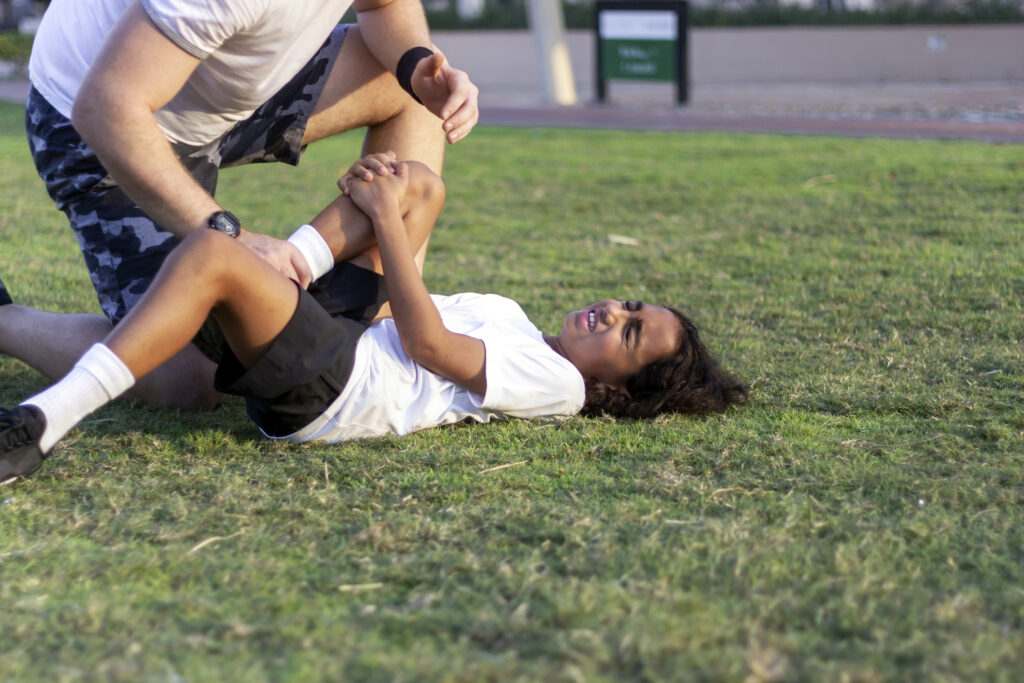
ACL injuries in children can feel overwhelming, both physically and emotionally, but with proper care, recovery can lead to stronger knees and greater confidence. At POBAR, our pediatric orthopedic specialists provide compassionate, individualized treatment for ACL injuries in kids, combining expert surgical and non-surgical approaches with guided rehabilitation. Families receive support and education at every step, ensuring children return to their activities safely and with renewed resilience. Trust POBAR to help your child heal fully while building confidence in their body and their spirit. Schedule a consultation today to begin a tailored recovery plan. Watching your child struggle with an ACL injury can be frightening and stressful. Suddenly, routines, sports, and playtime feel uncertain. But an ACL injury in kids, while serious, is highly treatable with the right approach. We focus on compassionate care that addresses both the physical recovery and emotional reassurance your child needs. By guiding families through each step—diagnosis, treatment, and rehabilitation—we helps children regain not only knee strength but confidence, independence, and resilience.   Understanding ACL Injuries in Kids The anterior cruciate ligament (ACL) is essential for stabilizing the knee during movement. In children, ACL injuries often occur during sports that involve sudden stops, pivots, or jumps, such as soccer, basketball, or gymnastics. Common types of ACL injuries in children include: Partial tears: Where some ligament fibers remain intact, often managed with rehabilitation and bracing. Complete tears: Often requiring surgical intervention to restore knee stability. Avulsion fractures: Where the ligament pulls off a piece of bone; this is unique to growing children. Early recognition and expert evaluation are crucial. Our pediatric orthopedic team ensures a precise diagnosis and tailors treatment to the child’s age, growth stage, and activity level.   Signs and Symptoms to Watch For Identifying an ACL injury promptly can prevent further complications. Look for: Sudden knee pain following a twist or fall. Swelling within hours of the injury. Difficulty walking or bearing weight. A sensation of the knee “giving out” or instability during movement. Even minor symptoms should be assessed by a specialist. We emphasize early evaluation to provide peace of mind and ensure proper healing.   The Treatment Process Treatment for ACL injuries in kids depends on the severity and growth considerations. Our approach is individualized: Initial management: Rest, ice, compression, and elevation (RICE) to reduce pain and swelling. Immobilization and bracing: Supports the knee while protecting the ligament. Surgical options: For complete tears or growth plate concerns, specialized pediatric ACL reconstruction may be recommended. Rehabilitation: Guided physical therapy focuses on restoring range of motion, strength, and safe return to activity. Parents often feel more confident when they understand the structured steps of care and the milestones involved in recovery.   Emotional Support for Children and Families An ACL injury can be just as challenging emotionally as it is physically. Children may feel frustrated, anxious, or hesitant to return to sports. Parents may feel guilt or worry about long-term impacts. We emphasize: Explaining the injury and recovery in child-friendly language. Celebrating small wins, like regaining knee mobility or mastering a safe exercise. Offering family guidance on maintaining activity while protecting the healing knee. Providing reassurance and education creates a supportive environment where children can heal with confidence.   Preventing Future ACL Injuries While accidents can’t be eliminated, certain strategies help reduce risk: Encourage proper warm-up and stretching routines before activities. Teach safe techniques for jumping, landing, and pivoting. Ensure appropriate footwear and protective equipment for each sport. Strengthen core and leg muscles to support knee stability. Implementing these practices empowers families to take an active role in their child’s injury prevention while promoting healthy activity.   When to Seek Immediate Medical Care Some scenarios require urgent evaluation: Inability to bear weight on the affected leg. Severe swelling, instability, or locking of the knee. Persistent pain despite rest and basic interventions. Any injury accompanied by other concerning symptoms like fever or numbness. Prompt evaluation ensures proper care and helps avoid further injury or complications, giving parents reassurance that their child is in expert hands.   Turning ACL Injuries into Growth Opportunities An ACL injury can feel like a setback, but it also offers lessons in resilience and patience. Children can learn: The importance of listening to their bodies. The value of following structured recovery programs. How to celebrate milestones, no matter how small. Strength in both mind and body, building confidence in future challenges. We help families view injuries not just as obstacles but as opportunities for growth, reinforcing both physical and emotional resilience.   Expert Tips for Home Recovery Parents play a critical role in supporting healing: Follow activity guidelines carefully, avoiding high-risk movements. Encourage gentle exercises recommended by the therapist to maintain flexibility. Monitor for pain, swelling, or instability that may indicate the need for follow-up. Offer positive reinforcement and reassurance, emphasizing what the child can do safely. These steps create a positive healing environment and help children regain independence while feeling secure.   Stronger Knees, Stronger Spirits at POBAR At POBAR, we understand that an ACL injury affects both children and their families. Our pediatric orthopedic specialists provide expert care, guidance, and emotional support at every step. By combining advanced treatment techniques with compassionate communication, we help children recover fully while building confidence and resilience. Trust POBAR to turn a challenging experience into a journey of growth, strength, and renewed energy. Schedule a consultation today and let us support your child’s healing with care, expertise, and reassurance.   FAQ How long does it take for a child’s ACL to heal? Recovery varies based on severity, but most children regain strength and mobility within 6 to 9 months. Our specialists monitor progress closely to ensure a safe return to activities. Can my child play sports after an ACL injury? Yes, with proper rehabilitation and guidance. We develop personalized plans to help children safely return to their favorite activities. Are ACL injuries common in kids? They are becoming more recognized, especially in young athletes. Early evaluation ensures accurate diagnosis and effective

bone fracture treatment in Brandon, tampa
Uncategorized

Turning a Fracture into a Moment of Strength

Experiencing a bone fracture in a child can be stressful and overwhelming for parents, but with the right guidance and care, it can become a learning and growth experience. At POBAR, our pediatric orthopedic experts provide compassionate, individualized care for bone fractures in kids, ensuring safety, comfort, and optimal recovery. From immediate treatment to physical therapy and long-term monitoring, we support families every step of the way. With POBAR’s guidance, parents can feel empowered and confident in their child’s healing journey. Schedule a consultation today to ensure your child gets the best care possible. From the first moment you notice your child has suffered a bone fracture, worry and uncertainty can take hold. It’s natural to fear the pain they may experience or the impact on their daily activities. But bone fractures in kids are common, and with the right approach, recovery can be smooth and even empowering. Our compassionate team prioritizes both the physical healing and emotional reassurance your child needs during this sensitive time. With the right guidance, parents can help children regain confidence and strength, turning what seems like a setback into an opportunity to grow.   Understanding Bone Fractures in Kids Children’s bones are different from adults’; they are more flexible and resilient, which can sometimes result in unique fracture patterns. Common types include: Greenstick fractures: where the bone bends and partially breaks. Buckle fractures: where one side of the bone compresses but doesn’t fully break. Complete fractures: where the bone is fully broken. Recognizing the type of fracture is essential for proper treatment. Prompt evaluation by a pediatric orthopedic specialist ensures accurate diagnosis and prevents complications. Understanding these differences can help parents feel more informed and confident when making decisions about care.   Signs and Symptoms to Watch For Parents often worry whether they are overreacting or missing subtle signs. Key indicators of a bone fracture in kids include: Sudden pain following a fall or injury. Swelling, bruising, or tenderness around the injured area. Deformity or unusual positioning of a limb. Difficulty using the affected arm or leg normally. Even if the injury appears minor, professional assessment provides peace of mind and the assurance that your child is on the path to recovery. Observing your child carefully and acting promptly can make a significant difference in healing and overall comfort.   The Treatment Journey Treatment varies depending on the type and severity of the fracture. Our approach is always tailored to each child: Initial care: Stabilizing the bone and managing pain with gentle techniques. Immobilization: Using casts, splints, or braces to ensure proper alignment while keeping your child comfortable. Monitoring: Regular check-ups and imaging to track healing and address any concerns immediately. Rehabilitation: Gentle exercises to restore strength, flexibility, and confidence, often incorporating fun, age-appropriate activities. Parents often find that understanding the steps helps them feel more in control and less anxious during this time, knowing that each phase is designed for the child’s comfort and safety.   Emotional Support and Family Guidance A fracture can be just as stressful emotionally as it is physically. Children may feel frightened or frustrated, and parents may struggle with guilt or worry. We emphasize: Clear communication to help children understand their treatment in reassuring terms. Encouraging small milestones to celebrate progress and build confidence. Guidance for parents on activity modifications and safety measures, ensuring the home environment supports healing. Creating a nurturing environment supports both the child’s healing and the family’s peace of mind. Every interaction with us is designed to reduce fear and increase understanding, helping parents feel supported every step of the way.   Preventing Future Injuries While accidents happen, some precautions can reduce the risk of future bone fractures: Ensure safe play areas with appropriate supervision. Encourage age-appropriate sports and activities with proper equipment. Teach children basic safety habits like using handrails and wearing helmets. Maintain a balanced diet rich in calcium and vitamin D for strong bones. Taking preventive measures gives families confidence and reassurance that they are actively protecting their child’s long-term health, without limiting the fun and exploration that is so vital to childhood development.   When to Seek Immediate Care Certain situations require urgent evaluation, even if the fracture initially seems minor: Visible bone protrusion through the skin. Severe pain or swelling not relieved by basic measures. Numbness, tingling, or inability to move the limb. Injuries accompanied by other concerning symptoms like fainting or vomiting. Prompt response and expert care ensure that every child receives safe, effective orthopedic treatment without delay. Acting quickly and calmly can make the difference between a straightforward recovery and a more complex situation.   Turning a Fracture into a Growth Opportunity Every injury is also an opportunity for resilience. Children learn about their bodies, boundaries, and the importance of care and patience. By approaching bone fractures in kids with compassion, guidance, and reassurance, parents can help children: Build confidence in their recovery abilities. Understand the value of following instructions for healing. Celebrate milestones, no matter how small. Develop a sense of pride in their resilience. Our team believes that even challenging experiences can leave children stronger, both physically and emotionally, and provide families with the tools to navigate future challenges with confidence.   Expert Tips for Home Care After the initial treatment, parents play a vital role in supporting healing: Keep the cast or splint clean and dry. Encourage gentle movement as recommended by the physician. Monitor for signs of discomfort or complications. Offer plenty of encouragement and reassurance, emphasizing what your child can do rather than what they cannot. These strategies help children feel secure and motivated throughout the recovery process, making healing a positive experience rather than a stressful one.   Your Child’s Healing Journey at POBAR At POBAR, we understand that a bone fracture in kids affects the whole family. Our compassionate team provides expert care, emotional support, and guidance every step of the way. By trusting POBAR with your child’s orthopedic needs, you’re choosing a partner who prioritizes safety, comfort, and

Health, Healthy Kids

What to Know About Foot and Ankle Conditions in Kids

Foot and ankle issues are common in growing children, but that doesn’t make your concern any less real. At POBAR, we specialize in diagnosing and treating foot and ankle conditions in kids with thoughtful, family-centered care. Whether your child is just learning to walk or is on the go from morning to night, we’re here to help them stay active and pain-free. Reach out today to schedule a consultation and take the next step in your child’s orthopedic journey. It’s incredibly difficult to see your child in pain, especially when it affects how they move, play, or explore the world around them. Many parents are surprised to learn how common foot and ankle conditions in kids actually are. While some issues are part of normal development, others may benefit from a pediatric orthopedic evaluation. We believe in meeting families with care, clarity, and compassion. If you’re wondering whether your child’s foot or ankle discomfort is something to be concerned about, you’re in the right place. Let’s walk through what to look for, what might be going on, and how we can help. Common Foot and Ankle Conditions in Kids Children’s feet grow and change rapidly, and it’s not uncommon for some irregularities to appear during development. That said, here are a few of the most commonly treated conditions in pediatric orthopedics: Flat Feet (Pes Planus): It’s normal for young children to have flat feet, but persistent flatness or pain in older kids may require evaluation. In-Toeing or Out-Toeing: These rotational differences in how the feet point can often resolve on their own, but sometimes indicate underlying alignment concerns. Sever’s Disease: A common cause of heel pain in growing kids, particularly those involved in sports. Sprains and Strains: Active children are prone to injuries, and foot or ankle sprains should be monitored closely to ensure proper healing. Clubfoot: A condition present at birth where the foot is twisted out of shape or position. Early treatment often leads to excellent outcomes. Tarsal Coalition: A condition where bones in the foot fuse together, often causing stiffness or pain in adolescence. Signs Your Child Might Need a Specialist Some aches and pains are part of growing, but persistent discomfort, visible changes, or altered movement patterns are worth a closer look. You may want to consider a pediatric orthopedic evaluation if you notice: Ongoing pain or limping during or after activity Swelling around the ankle or foot that doesn’t go away Your child avoiding walking, sports, or play Uneven shoe wear or difficulty keeping up with peers Frequent tripping or loss of balance Complaints of pain in the heel, arch, or toes You know your child best. If something seems “off” or you’re unsure, that’s reason enough to ask questions. We believe in listening closely and taking every concern seriously. What to Expect at an Orthopedic Evaluation An initial visit is centered around understanding your child’s story. We’ll ask about symptoms, daily activities, and development. A gentle physical exam will help us evaluate joint flexibility, muscle strength, balance, and alignment. Depending on the findings, your provider may recommend imaging (such as an X-ray) or suggest a conservative plan that includes physical therapy, orthotics, or simply monitoring over time. Not all foot and ankle conditions in kids require surgery—many can be managed with thoughtful, child-friendly approaches that promote natural growth and movement. Our Philosophy: Movement Is Joy We view orthopedic care through the lens of your child’s whole life, not just their feet. We understand that mobility affects confidence, social connection, and the joy of being a kid. That’s why we aim to provide care that not only relieves pain but restores freedom. Whether your child is chasing soccer balls, jumping into puddles, or learning to walk for the first time, we want them to do it with comfort and confidence. Every child is unique, and we tailor our approach to match your child’s age, development, and individual needs. Most importantly, we walk this journey with you—answering questions, easing worries, and helping your family feel empowered every step of the way. Support Starts with POBAR If your child is experiencing foot or ankle pain or if something just doesn’t feel quite right, the team at POBAR is here to help. Our pediatric orthopedic specialists are trained in evaluating and treating conditions unique to growing kids, with a gentle and compassionate approach that prioritizes your family’s peace of mind. No question is too small, and no concern too early. Together, we’ll work to find answers, support healing, and keep your child moving with confidence. Contact us today to schedule an evaluation and take the first step toward understanding what’s going on—and how we can help. Frequently Asked Questions Q: Are flat feet in children something to worry about? Flat feet are very common in younger kids and often resolve naturally. However, if your child is experiencing pain or difficulty walking, a pediatric orthopedic evaluation may be helpful. Q: My child keeps twisting their ankle—should I be concerned? Frequent ankle injuries can sometimes point to ligament laxity or other structural concerns. We recommend a visit if the problem persists or interferes with activity. Q: Will my child need surgery for their foot condition? In most cases, no. Many foot and ankle issues in kids can be managed with stretching, physical therapy, bracing, or monitoring. Surgery is considered only when necessary and appropriate for your child’s age and condition. Q: What should we bring to the appointment? A pair of worn shoes, any braces or orthotics your child has used, and notes about when symptoms started can all help us better understand your child’s condition. Dr BradleyDr. Timothy Bradley, a distinguished member of the Pediatric Orthopedic Society of North America and the American Academy of Orthopedic Surgeons, is a leading expert in pediatric orthopedics serving the community of Brandon, Riverview and whole of Tampa. With a commitment to providing the highest quality care for young patients, Dr. Bradley has earned a reputation for excellence in the field. His

Healthy Kids

Helping Parents Recognize Overuse Injuries in Active Kids

Active kids tend to be at risk of overuse injuries when growing bodies and repeated motion collide. Symptoms such as activity-related pain, swelling, or limpness tend to emerge gradually, but early attention can make all the difference. POBAR offers thoughtful orthopedic assessment, customized plans, and ongoing support to help your child recover, grow strong, and enjoy the sports they love. If you’re worried about persistent pain or want to prevent injuries, contact us today, because every child deserves a joyful, active future. Watching your child thrive in sports and play is a joy, but for many active young ones, too much too soon can lead to something called an overuse injury. These injuries, caused by repeated stress rather than a single accident, can creep in quietly yet interfere with your child’s comfort, confidence, and growth. We understand the unique challenges of growing bodies. We’re here to help you recognize overuse injuries in active kids, know what to do, and support your child every step of the way—with care, clarity, and compassion. What Are Overuse Injuries—and Why They Matter Unlike sprains or fractures, overuse injuries build up over time. These often affect muscles, tendons, bones, and growth plates—areas still developing in young athletes. Up to half of pediatric sports injuries fall into this category Common types in children include: Patellar tendonitis (Jumper’s knee) Osgood‑Schlatter and Sever’s diseases (growth plate inflammation) Little League shoulder/elbow Shin splints, stress fractures Osteochondritis dissecans, especially in the knee/elbow Without early attention, these injuries can lead to persistent pain, movement problems, and even missed seasons. But with timely action, most kids recover fully, often regaining strength and confidence along the way. Signs Every Parent Should Know Your intuition matters—when something feels off, it often is. Watch for: Gradual, activity-related pain Pain that worsens during the sport and eases with rest, but returns with activity. Tenderness, swelling, stiffness Especially over joints like knees, heels, elbows, or shins. Changing movement or technique Limping, favoring one side, or altered mechanics. Reduced enthusiasm Avoiding sports, practices, or expressing frustration during play. Pain that returns quickly Even after rest or home care, the discomfort comes back. Why Growing Bodies Are at Risk Children’s bones, muscles, and growth plates grow at different rates. Bones often outpace muscles and tendons, leaving areas vulnerable to repetitive stress. Early specialization—focusing on one sport year-round—can increase risk dramatically. Additional risk factors include: Rapid growth spurts High training volume with poor rest Improper technique or poorly fitted equipment Muscle weakness or imbalance How to Respond as a Parent 1. Listen and Rest If your child reports pain or discomfort, encourage rest. Ice, gentle compression, and elevation (R.I.C.E.) can help ease symptoms. 2. Ask Questions When did the pain start? What makes it better or worse? Are daily activities affected? Documenting these details helps at your appointment. 3. Modify Activities Switch to low-impact options (swimming or biking), reduce intensity, and limit repetitions to support recovery. 4. Seek Expert Support If symptoms persist for more than a week or worsen, contact us. Our specialists will perform a careful evaluation—using physical exams, imaging if needed, and growth assessments—to diagnose and guide the next steps. What to Expect at POBAR Gentle assessment: Observing motion, tenderness, and alignment. Understanding the picture: What sports, training habits, or life changes could be involved? Clear communication: We explain findings in family-friendly language. Collaborative plan: This may include rest, physical therapy, bracing, and technique coaching, with a goal to bring your child back to the activities they love. Preventing Overuse Injuries Proactive measures can protect your child: Promote cross‑training: Encourage playing multiple sports or activities. Build strength and flexibility: Balanced conditioning reduces muscle imbalance. Ensure proper rest: Include rest days and limit sport hours relative to your child’s age. Check technique: Work with coaches to ensure good biomechanics. Fit gear correctly: Shoes, braces, and protective equipment matter. Watch growth spurts: Reduce intensity during rapid growth phases. Early awareness is key—listening to your child and slowing down when needed can prevent small pains from becoming big problems. We’re Partners in Your Child’s Care We understand the pride and concern that come with raising an active child. Our pediatric orthopedic and sports-injury experts treat the whole child—physically, emotionally, and within the context of their family and sport. Together, we help children recover, regain confidence, and return to play—stronger and happier than before. Contact POBAR and Let’s Take the Next Step Together If you suspect your child may be experiencing an overuse injury or if you’d like support building a prevention plan, please reach out. Schedule an evaluation with POBAR today. We’ll listen with care, act with expertise, and help your child heal with their whole future in mind. FAQ What counts as an overuse injury? It’s pain or discomfort that builds with repeated activity—like growing knees, heels, elbows, or lower back—and isn’t tied to a single injury. How long should pain last before seeing a doctor? If symptoms persist beyond a week, return after rest, or interfere with daily life or sports, it’s time to get evaluated. Will my child need an X-ray or an MRI? Sometimes imaging is needed to check bones or growth plates. We’ll only recommend it if it adds helpful information. Can rest alone fix the problem? Rest helps, but additional measures—like physical therapy, strengthening, and sport modification—often speed healing and prevent recurrence. Should we stop the sport completely? Temporary reduction helps, but permanent avoidance isn’t always necessary. We’ll help guide a return-to-play plan that promotes safe, sustained progress.   Dr BradleyDr. Timothy Bradley, a distinguished member of the Pediatric Orthopedic Society of North America and the American Academy of Orthopedic Surgeons, is a leading expert in pediatric orthopedics serving the community of Brandon, Riverview and whole of Tampa. With a commitment to providing the highest quality care for young patients, Dr. Bradley has earned a reputation for excellence in the field. His expertise and dedication to improving the lives of children through orthopedic solutions make him a trusted authority in the orthopedic community.

Healthy Kids

How to Prepare Your Child for Their First Orthopedic Appointment

Preparing well for your child’s first orthopedic appointment can make all the difference. From gathering medical history and talking openly with your child, to knowing what happens during the visit and following through at home, every step helps your family feel confident, informed, and supported. At POBAR, we’re committed to making this experience calm, caring, and tailored to your child’s needs. If you’re ready to take the next step—or have questions—reach out to us today. We’re here for you and your child, every step of the way. Preparing for your child’s first orthopedic appointment can feel overwhelming, but with thoughtful preparation, you’ll help them—and yourself—enter the visit with confidence and peace. At POBAR in Tampa and Brandon, FL, we understand how important this first step is. Our goal is to make your family feel supported, informed, and cared for every step of the way. Why This Appointment Matters Your child’s first orthopedic visit is more than a checkup—it’s the start of a partnership. It helps us: Understand your child’s individual needs and health history. Perform a gentle and thorough evaluation. Get to know your family’s concerns and goals. Begin building a care plan that ensures your child thrives. By coming prepared, you’re helping us offer clear, compassionate guidance tailored just for you, and we’re here to walk this path with you. Before the Visit: What You Can Do Gather Helpful Information Bring these documents and details: Medical history: Any previous imaging (X-rays, scans), school or sports evaluations, doctors’ notes. Medications: List any daily medicines, including over‑the‑counter vitamins or pain relievers. Symptom diary: Brief notes on when pain or difficulty started, what triggers it, and how it affects daily life. Arriving early—20–30 minutes before your appointment—gives you time to complete registration and share this information without stress. Talk With Your Child Offer reassurance: Explain that the appointment is about helping them feel better. Use simple words like “strong bones” or “happy legs.” Let them know they’ll meet a friendly doctor who wants to help. Dress for Comfort Choose clothing that’s easy to move in—short sleeves and shorts are perfect. It helps your child feel relaxed and allows the provider to perform gentle movement tests easily. What Happens at the Appointment Warm Welcome & Chat You’ll meet our nurse and orthopedic specialist in a calm, child-friendly space. We’ll ask: What brought you in today? When did you first notice the issue? How is it affecting your child’s play, school, or sleep? We listen with care because your observations matter. Gentle Physical Exam We’ll start slowly: Watch your child walk or move. Check their strength, flexibility, posture, and balance. Evaluate the affected limb or joint with a gentle, reassuring touch. Imaging or Tests (If Needed) To learn more, we may recommend: X-rays (using low radiation), MRIs, or CT scans. Further assessments explained thoroughly and at your comfort level. After the Appointment: What Comes Next Clear & Compassionate Feedback We’ll share our findings in straightforward, gentle terms. Our aim is to help you understand: What’s happening and why. What options are available, and why surgery may or may not be necessary. Most importantly, what feels right for your child. Personalized Care Plan Your child receives a tailored plan that may include: Observation and follow‑up monitoring. Bracing or orthotic devices. Physical therapy. (In some cases) Surgery—but only if it truly supports long-term well-being. We always explain the reasoning behind each option with patience and clarity. How to Support Your Child at Home Your care extends beyond our clinic. Here’s how you can help: Validate their feelings: “It’s okay to feel nervous—we’re in this together.” Encourage mobility: Playful movement or gentle exercises as recommended. Keep follow-up: Adhering to visits and treatment helps your child stay on track. Celebrate small victories: Each improvement, each step forward, is worth recognizing. You’re an integral part of this journey, and your care matters deeply. Why POBAR Is Here for You From our locations in Tampa and Brandon to our loving team of specialists, POBAR is dedicated to guiding families with expertise and empathy. We offer: A calm, supportive environment for both child and parent. Clear, jargon-free conversations. Individualized care that grows with your child. A trusted place to ask any questions, at any stage. If your child’s first orthopedic appointment is coming up, or if you’ve noticed anything that concerns you, we’re ready to help. Contact POBAR today to schedule an evaluation. Together, we’ll take compassionate steps toward your child’s health and happiness. FAQ What should I bring to the first appointment? Bring medical history, previous imaging or reports, a list of medications, and your notes on symptoms. Arriving early helps ensure a relaxed start. Will my child need X‑rays? Sometimes. X‑rays help us understand bones and growth plates. If needed, we’ll explain why and how it will be done safely. Is this visit painful for my child? Not at all. Exams are gentle and caring. Imaging is painless, and we always move at your child’s pace. When will we get results or recommendations? Often, we can share initial findings right away. If additional imaging or tests are needed, we’ll review the results with you promptly. What if we need more treatment? We’ll discuss all options clearly. Whether it’s therapy, bracing, or monitoring, no decision is rushed. Dr BradleyDr. Timothy Bradley, a distinguished member of the Pediatric Orthopedic Society of North America and the American Academy of Orthopedic Surgeons, is a leading expert in pediatric orthopedics serving the community of Brandon, Riverview and whole of Tampa. With a commitment to providing the highest quality care for young patients, Dr. Bradley has earned a reputation for excellence in the field. His expertise and dedication to improving the lives of children through orthopedic solutions make him a trusted authority in the orthopedic community. Dr. Bradley’s  work at POBAR in Tampa exemplifies his passion for compassionate and effective healthcare, ensuring a brighter and healthier future for young patients.

kids joint dislocations treatment in Brandon, Tampa
Healthy Kids

How Physical Therapy Helps Your Child’s Orthopedic Journey

Physical therapy plays a gentle, powerful role in every stage of your child’s orthopedic journey—whether supporting recovery from injury, guiding growth, or enhancing movement and confidence. At POBAR, our compassionate, fun, and family-centered approach helps children heal stronger and happier. Ready to explore how PT can support your child? Contact us today. We’re here to help your family take confident, caring steps forward. When your child faces a bone, joint, or growth‐related condition, physical therapy becomes a powerful source of healing, strength, and confidence. Our pediatric physical therapy is more than exercises—it’s a gentle path toward restored play, growth, and well‑being. We understand how hard it is to watch your child struggle, and we’re committed to guiding your family with warmth, compassion, and expertise. Why Physical Therapy Matters Physical therapy for pediatric orthopedics offers vital benefits that support every stage of your child’s journey: Restore Function & Mobility – Through specialized, play‑based exercises, young bones and muscles regain strength and movement. Reduce Pain & Swelling – Techniques such as gentle stretching, range‑of‑motion exercises, and therapeutic modalities ease discomfort. Encourage Healthy Growth – Especially after injuries like fractures or growth‐plate trauma, PT ensures alignment and proper development. Prevent Future Issues – Strengthening and coordination exercises support joints and bones, reducing the risk of repeated injuries. Boost Confidence – Fun, engaging sessions help children feel capable and motivated, physically and emotionally. Common Conditions Treated with PT We often use physical therapy to support children facing: Fractures and Growth Plate Injuries – Restoring strength and correcting alignment after casts or bracing. Gait Abnormalities – Improving walking patterns caused by limb length differences or muscle imbalances. Joint Sprains & Dislocations – Rebuilding function and range of motion after injuries. Congenital Conditions – Such as clubfoot, hip dysplasia, or muscle tone differences. Developmental & Neuromuscular Disorders – Including toe walking, torticollis, flatfeet, and cerebral palsy. What to Expect at Physical Therapy 1. Child‑Centred Assessment Our therapists begin with a playful evaluation—observing how your child walks, sits, and plays—and perform gentle tests for strength, balance, and flexibility. 2. Personalized, Fun‑Based Plan Therapy incorporates engaging activities: obstacle courses, balls, balance games, swings, even underwater play—all designed to feel like playtime while promoting recovery. 3. Family Involvement We teach you easy exercises to continue at home, turning everyday time into healing moments. 4. Steady Progress Tracking Every visit is an opportunity to celebrate progress—from improved steps and strength to greater confidence and joy. 5. Collaboration with Your Orthopedic Team Our therapists work closely with our specialists to align goals, ensuring seamless care whether recovering from surgery, injury, or growth-related issues. When Does PT Join the Orthopedic Journey? Physical therapy may begin: After Injury Healing – Once a fracture is stabilized or a sprain is no longer acutely painful. Post‑Surgery – To rebuild strength and restore movement safely. Early in Developmental Issues – To guide hip dysplasia, torticollis, or gait changes. Alongside Bracing – Such as for scoliosis or flat feet, where movement aids correction. Your Family’s Role in Therapy Your support is essential: Create a calm routine for home exercises. Celebrate daily improvements—whether a new jump, smoother gait, or less pain. Keep appointments—inconsistent therapy can delay progress. Ask questions—our team is here to guide and reassure you at every stage. Why Choose POBAR for Physical Therapy At POBAR, we offer: Specialized Pediatric Experience – Therapists trained in children’s growth and movement. Compassionate, Supportive Environment – Low‑stress sessions that feel safe and fun. Seamless Orthopedic Collaboration – Full coordination with our surgeons and specialists. State‑of‑the‑Art Care – Combining hands‑on techniques, therapeutic play, and parental education. Your child’s healing isn’t just physical—it’s about helping them grow stronger, more confident, and joyful again. Let’s Take the Next Step Together If your child is beginning—or already on—the orthopedic journey with us, physical therapy can be the heart of their progress. Reach out to us today to schedule a PT evaluation. Together, we’ll create a gentle, effective plan tailored to your child’s needs, guiding their steps toward a brighter, healthier future. FAQ What age is PT appropriate for? Physical therapy helps children from infancy through adolescence. Early intervention—especially for developmental concerns—can make a big difference. Is physical therapy painful? Not in the least. All activities are designed to be gentle, fun, and encouraging. Kids often think it’s play. How long does therapy take? The timeline depends on your child’s condition. Some improve in a few sessions; others benefit from ongoing care over months. Will PT replace surgery? Not always, but it often helps avoid surgery or makes recovery faster and smoother when surgery is needed. What if we miss a session? Consistency helps, but don’t worry—a little scheduling bump won’t ruin progress. Just keep in touch to stay on track.   Dr BradleyDr. Timothy Bradley, a distinguished member of the Pediatric Orthopedic Society of North America and the American Academy of Orthopedic Surgeons, is a leading expert in pediatric orthopedics serving the community of Brandon, Riverview and whole of Tampa. With a commitment to providing the highest quality care for young patients, Dr. Bradley has earned a reputation for excellence in the field. His expertise and dedication to improving the lives of children through orthopedic solutions make him a trusted authority in the orthopedic community. Dr. Bradley’s  work at POBAR in Tampa exemplifies his passion for compassionate and effective healthcare, ensuring a brighter and healthier future for young patients.

Scoliosis

What Parents Should Know About Scoliosis in Children

When you first hear the word “scoliosis” applied to your child, it’s natural to feel a flood of emotions—confusion, worry, even fear. You may be wondering: What does this mean for my child’s health? Will it affect their future? Is it serious? At POBAR in Riverview, we understand that no parent wants to hear that their child has a spine condition. But we’re here to gently guide you through this journey—answering your questions, offering compassionate support, and providing the expert care your child deserves. Scoliosis is more common than many parents realize, and in most cases, children live full, active lives with the right monitoring and care. You are not alone, and with the right team by your side, your child can grow strong and confident. What Is Scoliosis? Scoliosis is a condition in which the spine curves sideways in an “S” or “C” shape. While the spine has natural curves when viewed from the side, scoliosis involves a lateral (side-to-side) curve when viewed from the back. This curve may be mild or more noticeable, and it can affect posture, balance, and—if left untreated—spinal health. Scoliosis often develops during periods of rapid growth, such as the preteen and early teen years. It can be discovered during a routine physical exam, a school screening, or after a parent notices a change in their child’s posture or how their clothing fits. It’s important to know that scoliosis in children is not caused by anything you or your child did. And while hearing the diagnosis can feel overwhelming, most cases are manageable with early detection and supportive care. Signs of Scoliosis in Children Some children don’t have any symptoms, especially in the early stages. However, parents may notice small changes that gradually become more visible as the curve progresses. These signs can include: One shoulder higher than the other Uneven hips or waist One shoulder blade that sticks out more prominently A tilt in the body or head not centered over the pelvis Clothes that hang unevenly Ribs more prominent on one side when bending forward If you’ve noticed any of these changes, even if they seem minor, it’s a good idea to have your child evaluated by a pediatric orthopedic specialist. What Causes Scoliosis? In many cases, the cause of scoliosis is unknown. This is called idiopathic scoliosis, and it’s the most common type seen in children and teens. Other, less common causes include: Congenital scoliosis: Present at birth due to abnormal spinal development Neuromuscular scoliosis: Associated with conditions like cerebral palsy or muscular dystrophy Syndromic scoliosis: Related to genetic syndromes or connective tissue disorders Injury or infection: Rarely, scoliosis can develop after spinal trauma or infection Whatever the cause, our team takes a comprehensive, individualized approach to diagnosis and care—always considering your child’s full health and development. When Should You Seek an Evaluation? Trust your instincts. If something doesn’t look or feel right about your child’s posture or movement, or if a school screening has raised a concern, we encourage you to reach out. Scoliosis often develops silently, so early detection is key. An evaluation typically includes: A physical exam A posture assessment Imaging, such as X-rays, to determine the curve’s size and location We ensure that these evaluations are as gentle and reassuring as possible. We take the time to explain each step in terms that both you and your child can understand—without fear or confusion. Treatment Options for Scoliosis in Children Treatment for scoliosis depends on several factors, including the curve’s size, the child’s age and stage of growth, and whether the curve is likely to progress. Here are common care pathways: Observation and Monitoring For mild curves (typically under 20 degrees), regular monitoring is often all that’s needed. We’ll keep an eye on how your child grows and how the curve changes over time. Bracing For moderate curves (around 20–40 degrees) in growing children, a brace may help prevent the curve from worsening. Braces are custom-fitted and worn under clothing. They don’t “fix” the curve, but they are very effective in halting progression during growth. Physical Therapy While therapy doesn’t correct the curve, it can improve posture, balance, and core strength, making movement more comfortable and confident. Surgery In severe cases (usually curves over 45–50 degrees), surgery may be recommended to correct the curve and stabilize the spine. We understand that the idea of surgery can be frightening, and we’re here to walk you through every step—compassionately and clearly. We work closely with families to create personalized plans that fit your child’s needs, lifestyle, and goals. Your input matters every step of the way. Our Commitment to Compassionate, Child-Centered Care Scoliosis is not just a physical condition—it affects how a child feels about themselves and how parents cope with uncertainty. That’s why our care extends beyond the exam room. We offer: Gentle, non-intimidating exams designed for children Clear, age-appropriate communication to help your child understand their body Family-focused care with time to ask every question Emotional support to help children and parents feel empowered, not afraid We believe that how we care is just as important as what we do. What You Can Do at Home Supporting your child with scoliosis doesn’t stop at the clinic. Here are some things you can do: Reassure your child: Let them know that scoliosis doesn’t define them. Encourage open conversations and validate their feelings. Support brace use (if recommended): Help your child understand the purpose of their brace and celebrate their responsibility. Encourage movement: Stay active as advised by your care team. Swimming, yoga, and core exercises can be beneficial. Attend follow-up visits: These are essential for tracking progress and adjusting care as needed. Celebrate their strength: Every child on this journey deserves recognition for their courage and resilience. You’re Not Alone—POBAR Is Here for You If your child has been diagnosed with scoliosis or you’re concerned about their spinal development, we are here to listen, evaluate, and guide. At POBAR, we offer more than expert care—we offer compassionate partnership,

Health, Healthy Kids

Understanding Misshapen Arms and Legs in Children

When you notice something different about your child’s arms or legs—maybe a curve where there shouldn’t be one, or a limb that seems shorter, longer, or shaped unusually—it’s completely natural to feel concerned, even scared. As a parent, you want to understand what’s going on and how to help your child live a healthy, active life. At POBAR in Tampa, FL, we want you to know: you are not alone, and support is available. Misshapen limbs in children can have a variety of causes, and not all are serious. Still, we understand that any irregularity in your child’s development can bring worry, uncertainty, and questions. Our goal is to provide expert guidance and gentle reassurance while helping your family find answers and healing. We’re here to walk this journey with you—step by step, with compassion and clarity. What Do We Mean by “Misshapen” Limbs? When we refer to “misshapen” arms or legs, we’re talking about any visible or functional difference in the appearance or alignment of a limb. This might look like: Bowed or curved legs One arm or leg appearing longer or shorter than the other Joints that seem unusually positioned Arms or legs that turn inward or outward more than typical Visible bumps or angular changes in bone structure These changes may be present at birth or may appear as your child grows. Some children are born with structural differences due to genetic or developmental factors, while others may develop changes due to growth plate issues, injury, or underlying medical conditions. It’s important to remember that some visible differences are part of normal growth and may correct on their own over time. That said, it’s always a good idea to have any concerns evaluated by a pediatric orthopedic specialist, so we can give your child the best care possible. Common Causes of Misshapen Arms and Legs Understanding the cause of your child’s limb differences is the first step toward creating a supportive care plan. Here are some common reasons why a child’s limbs may appear misshapen: Developmental Variations: Many children go through phases where their limbs appear bowed or turned, especially when learning to walk. In many cases, this resolves naturally. Congenital Conditions: Some children are born with differences like clubfoot, radial dysplasia, or fibular hemimelia, which can affect how limbs grow and function. Bone Growth Disorders: Conditions such as Blount’s disease or rickets (caused by vitamin D deficiency) can lead to bowed legs or other skeletal changes. Growth Plate Injuries: Trauma to the growth plate in a growing child can lead to uneven limb growth, which may cause asymmetry or angulation. Genetic Syndromes: In some cases, limb differences may be associated with a genetic condition. Our team can help guide you through any necessary testing and diagnosis. Each child’s situation is unique. The most important thing is that early evaluation and understanding pave the way for the most effective treatment and the most reassuring care. When to Seek Evaluation As a parent, you know your child better than anyone. If something doesn’t look or feel right, trust your instincts and reach out. You may want to consult a specialist if you notice: Persistent bowing or curvature after age 2 Visible asymmetry between limbs Limping or frequent tripping Limited movement or joint stiffness Pain in the affected limb, especially during activity Concerns raised during a well-child visit We use non-invasive imaging, detailed clinical exams, and a compassionate approach to evaluate your child’s needs thoroughly. We take time to explain everything clearly, answer your questions, and make sure you feel confident and supported throughout the process. Treatment Options for Misshapen Limbs in Children Treatment is always tailored to the child’s specific condition, age, overall health, and developmental goals. In some cases, no active treatment is necessary, and we simply monitor the condition over time. In others, gentle intervention can make a world of difference. Some common treatment options include: Observation and Monitoring: Many limb variations improve naturally as your child grows. In these cases, we track development and provide reassurance along the way. Bracing or Orthotics: For some conditions, specially designed braces or orthotics help guide bone growth and improve alignment. Physical Therapy: Exercises that strengthen muscles and improve range of motion can support joint alignment and help your child move more comfortably. Surgical Correction: In cases of severe deformity or when function is impacted, surgery may be recommended to straighten bones, adjust growth, or improve symmetry. Surgery is only considered when it’s the best option for long-term outcomes, and we walk families through every detail with care and patience. Our approach is never “one-size-fits-all.” We take the time to get to know your child, your family’s goals, and your hopes for the future—and we build a plan together. Our Approach: Support, Sensitivity, and Expertise We understand that dealing with medical concerns for your child is emotional. It’s not just about anatomy—it’s about their future, their comfort, and their confidence. That’s why our care is centered around the whole family. Gentle Examinations: We know children may feel nervous, especially when something feels “different.” We create a child-friendly, low-stress environment to help them feel safe. Clear, Compassionate Communication: We take the time to explain things in a way that makes sense to both parents and children. No rushed appointments. No unanswered questions. Family-Centered Plans: You’re part of your child’s care team. We’ll guide you with honest recommendations and supportive resources. Follow-Through Care: From the first visit to follow-ups, we stay by your side—adjusting treatment as your child grows and making sure you always feel supported. What You Can Do at Home In addition to medical care, there are several things you can do at home to support your child: Offer Emotional Support: Let your child know that being different doesn’t mean being less. Encourage open conversation and help them feel confident. Promote Activity (as recommended): Stay engaged in active play or therapy that supports mobility and strength. Attend Regular Checkups: Even if your child is doing well, periodic check-ins

Health, Healthy Kids, Joint Dislocations

Supporting Your Child Through Joint Sprain Recovery

Seeing your child in pain after a joint injury is one of the hardest experiences a parent can face. Whether it’s a twisted ankle on the playground or a wrist sprain from sports, your first instinct is to comfort and protect them. At POBAR in Riverview, FL, we understand how overwhelming this moment can feel. That’s why our pediatric specialists are here to offer gentle guidance and a clear path forward for your child’s joint sprain recovery. Joint sprains are common in children, especially as they grow and explore the world around them. With the right care and support, your child can heal well and return to the activities they love. You are not alone in this process—our team is here to walk beside you every step of the way, offering expert medical care with the compassion every parent deserves. What Is a Joint Sprain and How Does It Happen? A joint sprain occurs when the ligaments that connect bones within a joint are stretched or torn, usually due to sudden twisting or impact. In children, joint sprains most commonly affect the ankle, wrist, or knee. These injuries can happen during play, sports, or even simple accidents at home. While it may be frightening to see your child in discomfort, sprains are generally treatable with rest and appropriate care. The severity can range from mild (involving slight overstretching) to more serious (partial or complete ligament tears), and treatment plans vary depending on your child’s needs. It’s important to know that sprains are not uncommon in active, growing children. They are not a sign that something is “wrong” with your child’s body—they’re simply part of the learning and growing process. And thankfully, with timely treatment, children typically recover well. Recognizing the Signs of a Sprain in Children When your child gets hurt, it can be difficult to know just how serious the injury is. Some sprains are easy to identify, while others can be mistaken for a simple bruise or strain. Signs of a sprain include: Swelling around the joint Pain when the joint is touched or moved Bruising or discoloration Difficulty using or putting weight on the joint A feeling of instability or weakness If your child is limping, refusing to use a limb, or expressing pain after an injury, it’s a good idea to seek medical evaluation. Our pediatric care team is trained to assess injuries gently and thoroughly, making sure your child feels safe and comforted during the process. Why Prompt Evaluation and Treatment Matter As a parent, you want the best for your child’s healing and comfort. Getting a prompt evaluation after a suspected joint sprain is important to ensure the injury heals properly and doesn’t lead to future complications. Here’s why early treatment matters: Prevents Worsening Injury: What may seem like a mild sprain could involve more complex damage if left untreated. Early evaluation helps avoid further strain. Supports Proper Healing: Ligaments heal best when supported with the right care—this may include rest, compression, or a splint. Eases Your Child’s Worry: Children are often frightened by injuries. Visiting a compassionate provider helps them understand what’s happening and reassures them that everything will be okay. Our team prioritizes your child’s physical and emotional comfort. We take time to explain the diagnosis, answer your questions, and build a treatment plan that supports a smooth recovery. Treatment Options for Joint Sprains in Children The right treatment for your child’s sprain depends on the location and severity of the injury. We take a personalized approach, always considering your child’s age, activity level, and overall well-being. Here are common treatment steps: R.I.C.E. (Rest, Ice, Compression, Elevation): This is the most common and effective initial treatment. It helps reduce swelling and pain in mild to moderate sprains. Immobilization: In some cases, a splint or brace may be recommended to keep the joint stable while it heals. Physical Therapy: For moderate to severe sprains, gentle stretching and strengthening exercises may be needed to restore full range of motion. Follow-Up Care: Regular check-ins help us ensure your child is healing well and can safely return to their normal activities. In more serious cases, or if the ligament is significantly torn, additional treatment such as orthopedic referral or advanced imaging may be required. We will always communicate clearly and compassionately about next steps. Our Compassionate Approach to Pediatric Injury Care We know that medical treatment isn’t just about the physical healing—it’s also about emotional care. That’s why we offer an environment that’s warm, patient-centered, and child-friendly. Here’s what you can expect when you visit us: A Gentle Touch: Our team specializes in pediatric care, which means we know how to make children feel safe and understood—even when they’re in pain. Family-Focused Support: We treat parents as vital members of the care team. You’ll be informed and involved in every decision. Age-Appropriate Communication: We speak with children in ways they can understand, using kindness, reassurance, and even a little play when needed. A Calming Space: Our office is designed to reduce anxiety and provide a comforting experience for both children and parents. Helping Your Child Recover at Home As your child heals, there are several things you can do to make recovery smoother and more positive: Provide Gentle Encouragement: Recovery can be frustrating for active kids. Let them know it’s okay to rest and that they’ll be back to their favorite activities soon. Follow the Care Plan: Be sure to help your child stick to icing schedules, wear any braces as recommended, and attend follow-up visits. Watch for Changes: If pain increases, swelling worsens, or your child refuses to use the limb, call us. We’re here to help with any concerns. Celebrate Milestones: Even small progress—like walking a few steps without pain—deserves celebration. These moments help your child feel confident again. POBAR is here for You and Your Child At POBAR, our goal is not just to treat injuries but to care for your whole family. We understand how emotionally taxing it can be to

Healthy Kids

Navigating Extra Digits with Compassion for Your Child

Discovering that your child has extra digits on their hands or feet can feel overwhelming for any parent. You may find yourself filled with worry and questions about what this means for their health and future. It’s natural to feel this way, and at POBAR in Riverview, FL, we are here to reassure you with compassionate care and a clear path forward. Extra digits, or polydactyly, is a condition that is more common than many realize, and with the right treatment and support, your child can live a healthy and active life. We understand that the diagnosis of extra digits can bring about uncertainty, but rest assured, you are not alone in this journey. We’re here to help guide you with knowledge, comfort, and a care plan that suits your child’s specific needs. Our team is dedicated to ensuring that both you and your child receive the support and reassurance you deserve throughout the process. What Are Extra Digits, and How Do They Happen? Polydactyly, or extra digits, is a condition where a child is born with one or more additional fingers or toes. These extra digits can vary from small, nonfunctional skin tags to fully-formed, functional digits. Polydactyly is a congenital condition, meaning it’s present at birth, and it can affect one or both hands and/or feet. While it may sometimes be linked to a genetic syndrome, it usually occurs without any other health issues. This condition is often inherited, but it can also occur randomly. It’s important to remember that polydactyly is simply a variation in development and not something caused by you or your child. The good news is that it is treatable and manageable with the right medical care. Recognizing the Signs of Extra Digits If you notice that your child has extra fingers or toes, try to stay calm. While it’s natural to be startled, remember that polydactyly is a common condition that’s often successfully treated. Extra digits are usually noticeable at birth and can vary in appearance. They may be small and nonfunctional or resemble fully-formed fingers or toes. The extra digit may be flexible or stiff, and sometimes it is attached to the body by a small piece of skin or tissue. If you have concerns or are unsure about your child’s condition, it’s always best to consult a pediatric specialist. Our team is here to guide you and ensure your child receives the care they need. Why Early Intervention Is Important It’s normal to feel anxious when first discovering extra digits in your child, but early intervention can be key to a smoother, more comfortable process. Prompt treatment can prevent complications and ensure that your child’s hand or foot functions normally as they grow. The sooner your child receives medical guidance, the better the chances for a positive outcome, both in terms of physical health and emotional well-being. Here’s why early intervention is so important for children with extra digits: Prevent Functional Issues: If the extra digit is functional and attached by bone, it could interfere with your child’s ability to use their hand or foot as they grow. Early intervention can help prevent these issues by ensuring proper development and function. Minimize Risk of Injury: An extra digit, if not properly cared for, could be prone to injury or infection. Early removal or treatment can reduce these risks significantly. Provide Emotional Reassurance: Early medical intervention offers your family the opportunity to discuss options, gain a better understanding of the condition, and feel more confident about your child’s future. We are here to provide a compassionate, step-by-step plan for managing extra digits, ensuring that your child’s needs are met and that they feel supported along the way. Treatment Options for Extra Digits in Children When it comes to treating extra digits, the course of action depends on the severity of the condition and your child’s individual needs. Treatment can range from simply monitoring the condition to performing surgery to remove the extra digit. Here are the main treatment options available: Observation: In cases where the extra digit is small, nonfunctional, and not causing any problems, your doctor may recommend simply monitoring the condition. Your child’s growth will be closely followed, and if any issues arise, treatment can be discussed at that time. Surgical Removal: For children with extra digits that are functional or causing issues, surgery may be recommended. The goal of surgery is to remove the extra digit while preserving the normal function of the surrounding fingers or toes. Surgery is typically performed under general anesthesia, and the recovery process is closely monitored to ensure a smooth and painless healing period. Reconstruction: In some cases, if the extra digit is fully functional and plays a role in your child’s hand or foot function, a reconstructive approach may be necessary to improve function. This could involve reshaping the existing digits or adjusting the positioning to allow for better movement. Our team will guide you through the process, explaining all available options and helping you make the best decision for your child’s health and well-being. How We Care for Your Child Our mission is to provide not only expert medical care but also compassionate, sensitive support for both you and your child. We know that this may be an emotional time for you as a parent, and we want to be a source of comfort and guidance as you navigate this journey. Here’s how we ensure that your child’s experience with us is as smooth and reassuring as possible: A Compassionate Approach: Our team takes the time to understand your family’s unique concerns and ensures that both you and your child feel supported and comfortable throughout every stage of care. Personalized Treatment Plans: Each child is unique, and so is their treatment plan. We will work with you to develop a tailored approach to your child’s care, taking into consideration their age, health, and individual needs. Ongoing Support: We believe in building lasting relationships with our patients and their families. Our team