
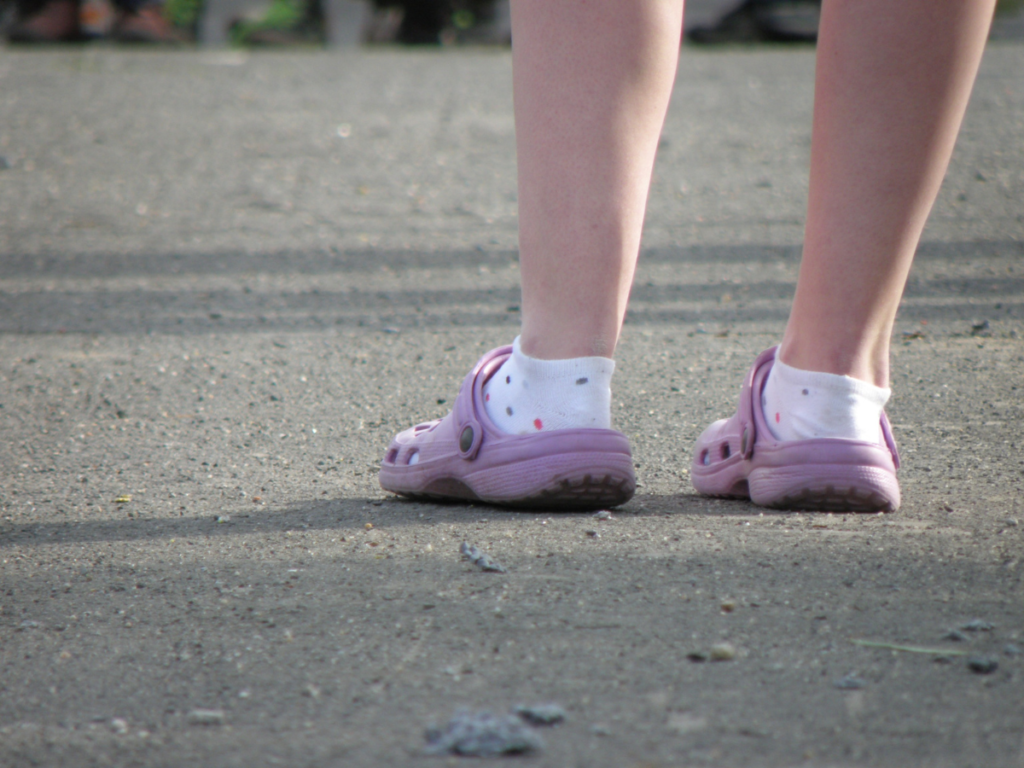
Noticing that your child’s feet look flat, especially when they are standing, is one of the most common concerns parents bring to a pediatric orthopedic visit. In most cases, flat feet are a normal part of how a child’s foot develops and are not something that needs treatment at all. At Pediatric Orthopedics of Brandon and Riverview, Dr. Timothy Bradley and our team evaluate each child individually to help parents understand whether flat feet are simply a phase of development or something that deserves closer attention. If your child’s flat feet have been on your mind, understanding what is typical can help you know whether watching and waiting is the right approach or whether it is time to schedule an evaluation.
Almost every toddler has flat feet, and most children’s arches develop naturally over the early school years without any intervention at all. Knowing what is part of that normal process, and what patterns are worth watching more closely, takes a lot of the guesswork out of this common concern.
Why Flat Feet Are So Common in Young Children
Babies and toddlers are born with fat pads on the bottoms of their feet that make almost every young child appear flat footed, regardless of how their arches will eventually develop. As children grow, their ligaments and muscles gradually strengthen, and a visible arch typically appears somewhere between ages five and ten. Because this timeline varies so much from child to child, flat feet in a younger child are rarely something to be concerned about on their own.
Flexible Versus Rigid Flat Feet: Why the Distinction Matters
The most useful distinction we make during an evaluation is between flexible and rigid flat feet. With flexible flat feet, an arch appears when your child stands on their toes or when their foot is not bearing weight, which shows the foot’s structure is working normally even though it flattens under weight. Rigid flat feet, where no arch appears in either position, are less common and more often associated with an underlying structural cause that benefits from evaluation. This distinction alone answers most of the question of whether a flat foot needs attention.
Signs Worth Watching For
Flexible flat feet without symptoms generally do not need treatment, but certain signs are worth paying attention to. These include your child complaining of foot or leg pain, avoiding physical activities they used to enjoy, unusual or uneven wear patterns on their shoes, or one foot appearing noticeably flatter or stiffer than the other. A family history of flat feet that caused problems, or flat feet that seem to be getting more pronounced rather than developing a normal arch over time, are also worth mentioning at your child’s next visit.
When Flat Feet Are Simply Part of Growing
If your child’s flat feet are flexible, they are not complaining of pain, and they are keeping up with the activities they enjoy without difficulty, watching and waiting is usually the right approach. Most children in this category go on to develop a typical arch or continue comfortably with flexible flat feet into adulthood without any treatment ever being necessary. You know your child best, and if nothing about their feet is affecting how they move, play, or feel, that is genuinely reassuring information.
When It Is Worth Scheduling an Evaluation
An evaluation is worthwhile when your child reports pain, seems to be limiting their own activity because of foot discomfort, has a rigid flat foot, or shows a significant difference between their two feet. Persistent complaints, even mild ones, deserve a closer look rather than being dismissed as normal growing pains, since an evaluation can either provide reassurance or catch something that benefits from earlier attention.
What an Evaluation and Treatment Typically Involve
An evaluation includes watching your child walk and stand, checking flexibility, and sometimes imaging if a rigid flat foot or another structural concern is suspected. For flexible flat feet causing discomfort, supportive shoes or custom orthotics are often enough to improve comfort significantly. Physical therapy can help in some cases, and surgery is reserved for the rare situations where a rigid flat foot causes significant, persistent problems that other approaches have not resolved.
A Common Concern, With a Clear Path Forward
Flat feet are one of the most common reasons parents bring their child in for a pediatric orthopedic opinion, and in the majority of cases, the answer is genuinely reassuring. Pediatric Orthopedics of Brandon and Riverview is here to help you tell the difference between a normal part of development and something worth addressing. Our pediatric orthopedic team evaluates each patient’s specific situation, so reach out whenever you would like a clear answer about your child’s feet.
Frequently Asked Questions
Is it normal for my child to have flat feet? Yes, flat feet are extremely common in young children and are usually just a normal stage of foot development. Most children develop a visible arch naturally somewhere between ages five and ten.
Will my child need special shoes or orthotics? Only some children with flat feet benefit from supportive shoes or custom orthotics, typically when there is discomfort involved. Many children with flexible, symptom free flat feet need no special footwear at all.
Does having flat feet mean my child will have foot pain later in life? Most children with flexible flat feet grow up without any related foot problems as adults. Ongoing pain or a rigid flat foot are the situations more likely to benefit from evaluation and monitoring over time.
How can I tell if my child’s flat feet are something to worry about? Watch for complaints of pain, avoidance of activities they normally enjoy, a foot that stays flat even when your child stands on their toes, or a noticeable difference between their two feet. Any of these are good reasons to schedule an evaluation rather than continuing to wait and watch.
Will my child need surgery for flat feet? Surgery is rarely needed for flat feet and is reserved for cases involving a rigid flat foot causing significant, persistent problems that have not responded to other treatment. The large majority of children with flat feet are managed successfully without any surgical intervention.
