
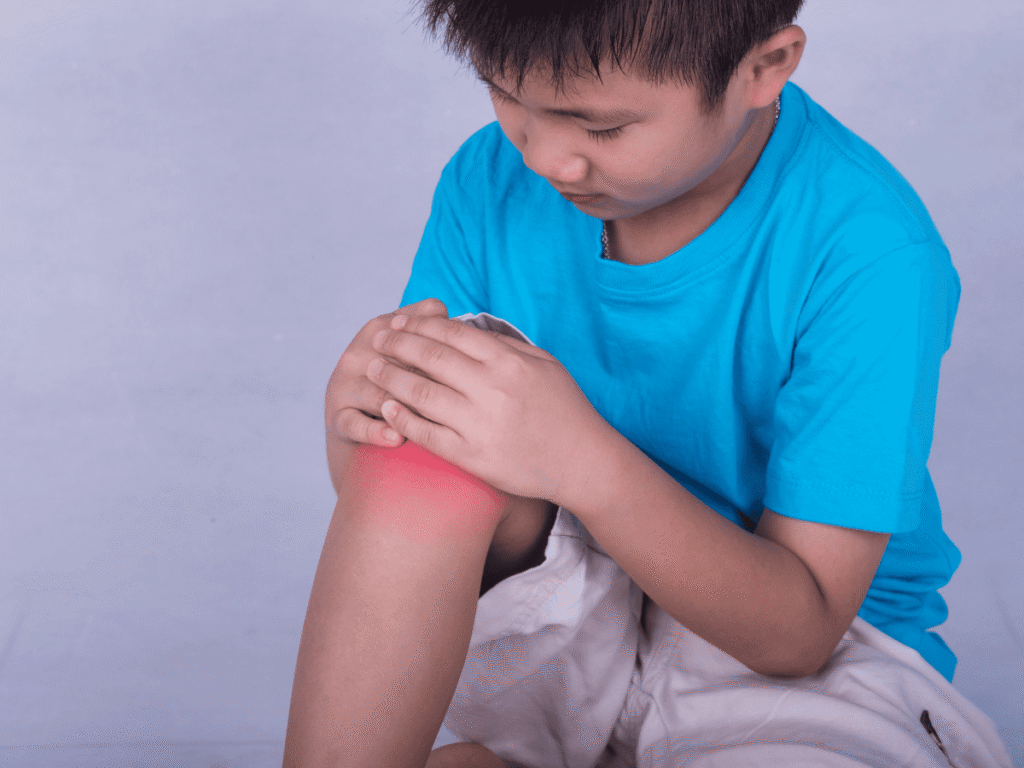
A meniscus tear can leave your child’s knee feeling stiff, painful, or unstable, especially after a sudden twist or fall during play. At POBAR, we help families understand what causes a pediatric meniscus tear and guide you through diagnosis, recovery, and prevention with compassionate expertise. Early recognition and thoughtful care can make all the difference in healing and preventing future issues. Contact us to learn how our child‑friendly team supports strong knees and confident kids.
From the grassy field of a soccer game to a quick pivot on the playground, children’s knees work hard every day. The meniscus is a C‑shaped piece of cartilage in the knee that acts as a shock absorber and helps distribute weight as your child runs, jumps, and plays. A tear in the meniscus can happen when the knee twists suddenly while bearing weight or during impact—especially in active kids and young athletes. These tears can lead to pain, swelling, stiffness, or a catching sensation in the knee, and understanding what they mean helps you act with confidence.
What Does a Meniscus Tear Really Mean?
The meniscus sits between the thighbone and shinbone and cushions the knee joint like a natural shock absorber. When a meniscus tear occurs, that cushioning is disrupted, which can affect your child’s ability to bend, straighten, or bear weight comfortably. Tears range from small frays that lead to mild discomfort to larger or displaced tears that cause catching, locking, or instability in the knee joint. This range of severity means that symptoms can vary quite a bit, and careful evaluation helps ensure your child gets the right care.
Common Causes of a Pediatric Meniscus Tear
Meniscus tears in children often happen during activities that involve sharp twists, pivots, or sudden changes in direction—movements common in sports like soccer, football, and basketball. A direct hit to the knee during play or repetitive stress from frequent squatting and kneeling can also contribute to tears. While aging is a common factor for meniscus problems in adults, in children it’s more often linked to active play or collisions, and underlying knee misalignment or instability may make a tear more likely.
Common causes may include:
- Sudden twisting or pivoting of the knee during sports activities
- Direct impact to the knee from a fall or collision
- Overuse or repetitive stress on the knee joint
- Pre‑existing knee alignment issues
- Participation in high‑impact or contact sports
- Excessive strain from abrupt movements or uneven surfaces
All these movements place stress on the cartilage and can lead to tears if the knee twists beyond its normal range or experiences a forceful hit.
Recognizing the Symptoms in Your Child
Understanding how to spot the signs of a meniscus tear can help you seek timely care and support your child’s recovery:
- Pain: Often felt along the joint line, especially when bending or twisting the knee.
- Swelling and stiffness: Common soon after the injury, sometimes developing over hours or days.
- Difficulty bending or straightening the knee: Pain or mechanical blockage may restrict motion.
- Locking or catching sensation: When a fragment of the torn cartilage gets trapped between joint surfaces.
- Instability or “giving way”: Especially during activities that require sudden direction changes.
These symptoms may vary depending on the size and location of the tear as well as whether other knee structures are also affected.
How a Meniscus Tear Is Diagnosed
We begin with a gentle and thorough clinical evaluation to understand your child’s symptoms and knee function. A physical exam guides our assessment, and diagnostic imaging—most commonly an MRI—is often used to visualize soft tissues like cartilage and confirm the extent of the tear. Early and accurate diagnosis ensures that your child receives the most appropriate care for their specific injury.
Treatment Options for Pediatric Meniscus Tears
Meniscus tear treatment depends on the severity of the injury, your child’s symptoms, and the tear’s location. Pain and swelling may be managed initially with rest, ice, compression, and elevation, while supportive braces can help protect the knee during early healing.
Non‑surgical care may include:
- Temporary activity modification to reduce stress on the knee
- Physical therapy to strengthen muscles and improve stability
- Bracing during activity to support the joint
In cases where symptoms persist or the meniscus tear affects knee mechanics significantly, minimally invasive arthroscopic surgery may be recommended. Techniques such as repairing the tear or trimming the damaged cartilage help restore function and promote long‑term knee health. Children often heal well following arthroscopic procedures, especially when paired with tailored rehabilitation.
Helping Your Child Return to Activity
After meniscus treatment, whether non‑surgical or surgical, a structured rehabilitation plan helps rebuild strength and flexibility in the knee. Physical therapy focuses on restoring range of motion, strengthening surrounding muscles, and gradually increasing activity levels in a safe, controlled way. Recovery timelines vary with the injury’s severity, but many children are able to return to their favorite activities once strength, stability, and comfort are restored.
Can Meniscus Tears Be Prevented?
While no strategy completely eliminates the risk of a meniscus tear, good knee care habits can help reduce the likelihood of injury and support long‑term joint health:
- Warm up and cool down: Prepares muscles and joints for movement.
- Use proper footwear: Shoes with good support reduce knee strain.
- Avoid abrupt twisting motions: Especially on hard or uneven surfaces.
- Gradual activity progression: Helps muscles adapt to increased demands.
- Cross‑training: Promotes balanced muscle development.
- Healthy lifestyle habits: Maintaining a healthy weight supports knee joints.
Encouraging safe play and listening to your child’s body—especially if they complain of discomfort during activity—can help protect their knees and keep them active with confidence.
Compassionate Pediatric Knee Care at POBAR
At POBAR, we know how much you want your child to stay active, safe, and happy. Our caring team specializes in pediatric meniscus tear evaluation and treatment designed for young athletes and active kids. From thorough assessments to personalized treatment plans and gentle guidance through recovery, we’re here to support your family with expert care and reassurance every step of the way. Reach out to our team to discuss your child’s knee concern and find the right path toward comfort, strength, and joyful movement.
Frequently Asked Questions
How is a meniscus tear different from a sprain?
A meniscus tear involves the cartilage inside the knee joint, while a sprain affects the ligaments that connect bones. Both can cause pain and swelling, but they occur in different structures and often require different treatment approaches.
Can a small meniscus tear heal without surgery?
Yes, some small tears—especially those located on the outer edge of the meniscus—can heal with rest, physical therapy, and activity modification. Larger or symptomatic tears may need surgical repair for full healing.
What are common signs a tear needs surgery?
Persistent pain, locking or catching sensations, and instability during movement may suggest that non‑surgical care isn’t enough and surgery might be beneficial. A pediatric orthopedic specialist can help determine the best course.
Is an MRI necessary to diagnose a meniscus tear?
An MRI is often used to confirm a meniscus tear because it provides detailed images of soft tissues like cartilage that don’t show up on X‑rays. Physical exams help guide the decision to use imaging.
Will my child play sports again after a meniscus tear?
Many children return to sports after healing, especially with proper care and rehabilitation, but the timeline depends on the injury’s severity and treatment. We help families plan safe returns to activity based on individual progress.
How can I help my child avoid future knee injuries?
Encouraging warm‑ups, strength and flexibility exercises, proper technique, and safe play environments can help protect your child’s knees and reduce future injury risk.

Dr. Timothy Bradley, a distinguished member of the Pediatric Orthopedic Society of North America and the American Academy of Orthopedic Surgeons, is a leading expert in pediatric orthopedics serving the community of Brandon, Riverview and whole of Tampa. With a commitment to providing the highest quality care for young patients, Dr. Bradley has earned a reputation for excellence in the field. His expertise and dedication to improving the lives of children through orthopedic solutions make him a trusted authority in the orthopedic community. Dr. Bradley’s
work at POBAR in Tampa exemplifies his passion for compassionate and effective healthcare, ensuring a brighter and healthier future for young patients.